ERBIL () — Iran has reiterated a series of conditions for reviving diplomacy with the United States, saying its demands were clearly conveyed during recent indirect contacts between the two sides on the sidelines of the United Nations General Assembly in New York.
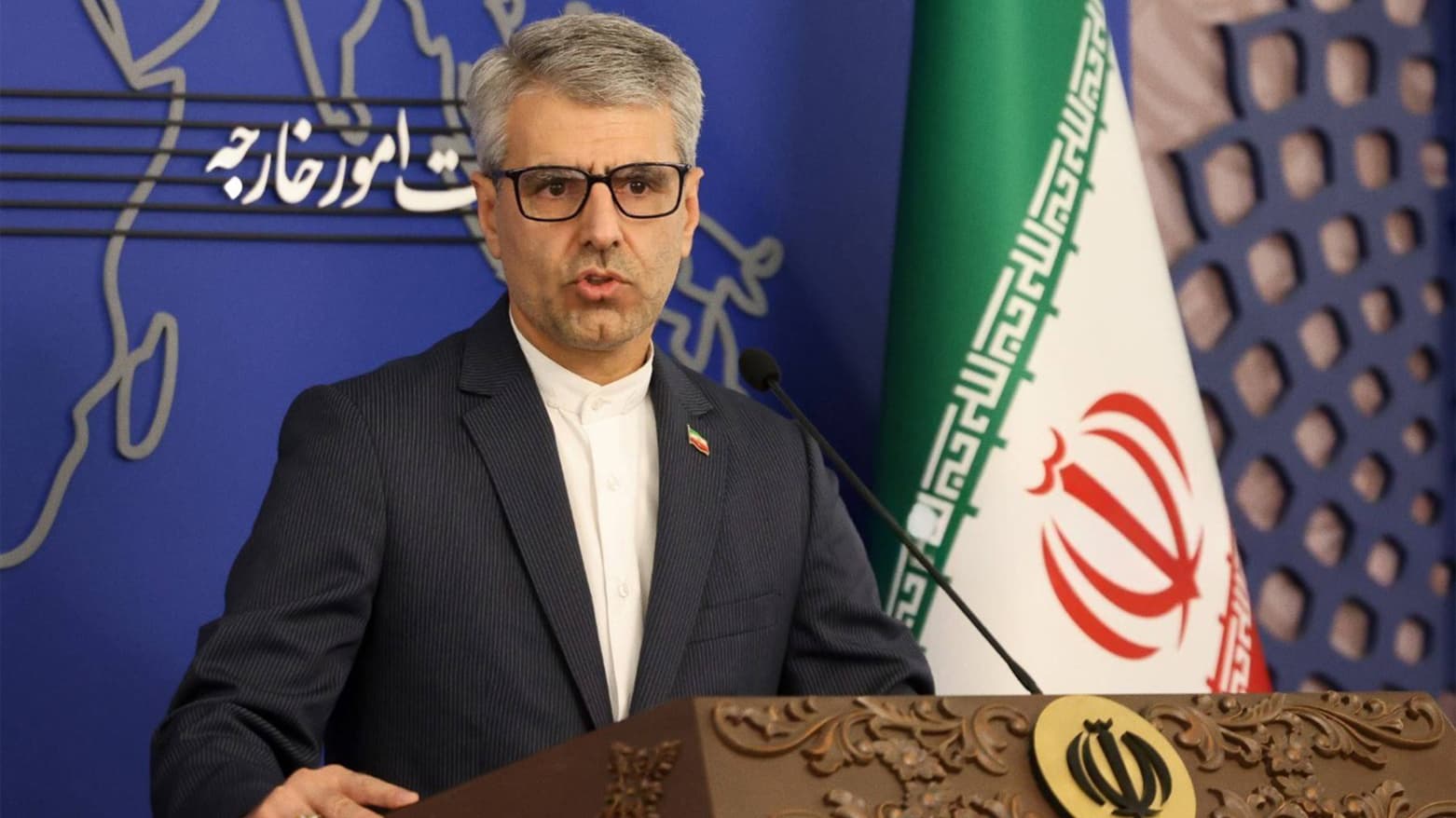
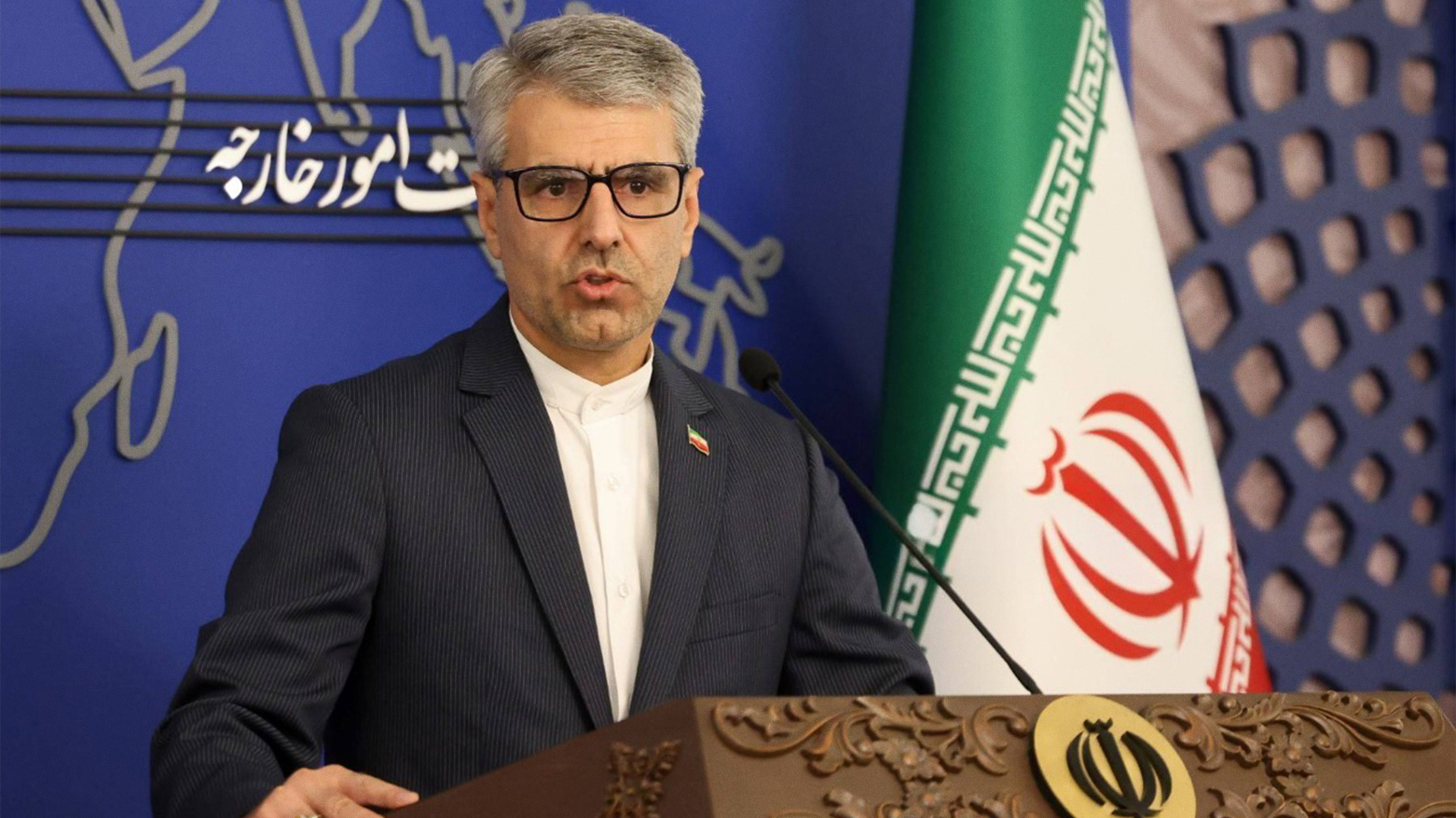
Iranian Foreign Ministry spokesperson Esmail Baghaei said on X on Wednesday that the conditions were communicated through Qatari mediation “in a manner that leaves no doubt or ambiguity.” He said the latest exchange, which lasted about two hours, did not represent a change in Tehran’s position.
Baghaei said Iran’s conditions include:
- An end to the war on all fronts: Tehran is demanding a comprehensive halt to military operations across the region.
- An end to the US naval blockade: Iran wants Washington to halt what it describes as a naval siege and aggressive maritime actions against Iranian ports.
- An end to economic sanctions: Tehran is calling for the lifting of unilateral US sanctions and other economic restrictions it describes as “economic warfare.”
- Release of frozen Iranian assets: Iran is demanding the release of its blocked financial assets.
- A new shipping framework for the Strait of Hormuz: Baghaei said Washington must accept a “safe shipping route” through the strategic waterway, with arrangements determined by Iran and Oman.
The statements came after US and Iranian officials engaged in indirect contacts in New York through Qatari mediation. US President Donald Trump described the talks as productive, while Tehran downplayed the significance of the exchange and stressed that its core conditions had not changed.
The Strait of Hormuz has become a central issue in the diplomatic efforts, with Iran previously indicating that it could reopen the waterway if Washington eases military pressure and lifts its blockade of Iranian ports.
The latest contacts mark a renewed diplomatic channel between Tehran and Washington amid the ongoing conflict and severe restrictions on maritime traffic through the Strait of Hormuz. Qatar has played a mediating role in transmitting messages between the two sides, while both governments continue to publicly differ over the scope and outcome of the New York discussions.