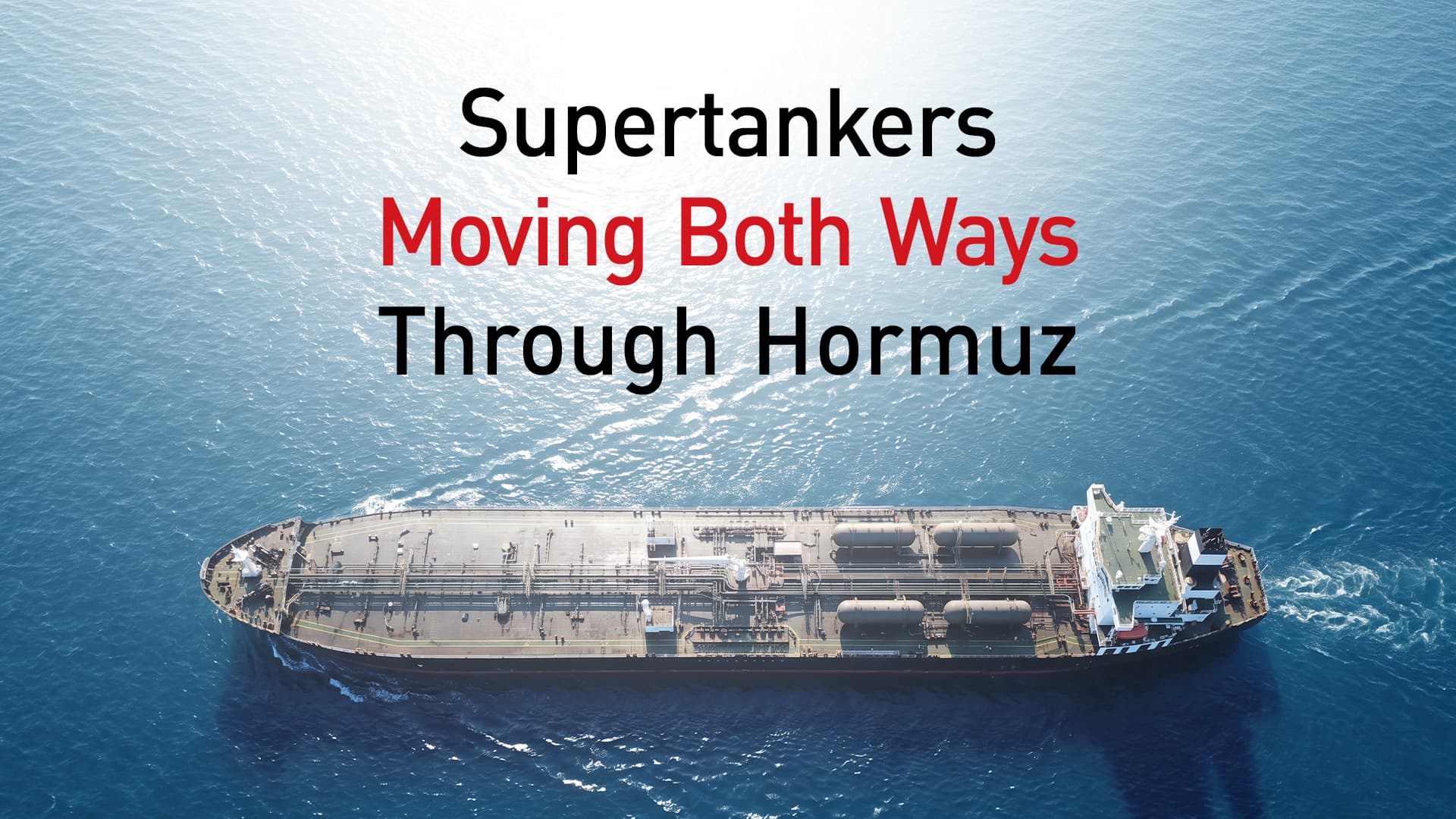
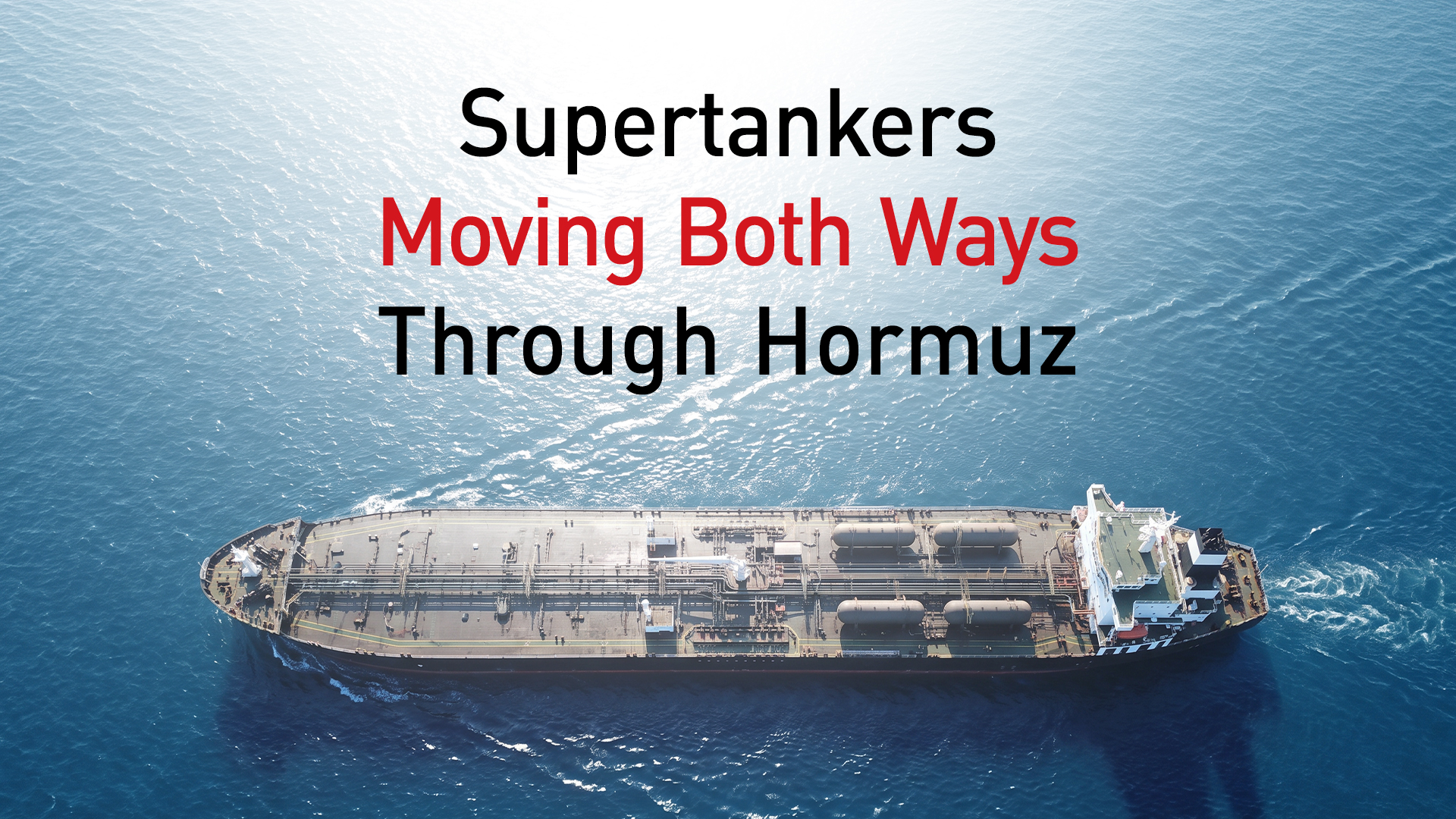
ERBIL () - Satellite imagery analysis conducted on Monday shows that the Strait of Hormuz is now hosting bi-directional daytime traffic of Very Large Crude Carrier supertankers, maritime intelligence firm TankerTrackers.com confirmed in an exclusive disclosure, with greater volumes of crude oil, liquefied natural gas, and liquefied petroleum gas also being exchanged through ship-to-ship transfers in the Gulf of Oman.

"Based on our satellite imagery analysis conducted on September 14, 2026, we can see that the Strait of Hormuz now hosts bi-directional daytime traffic of VLCC supertankers,"TankerTrackers said in a post on X. "Furthermore, greater volumes of crude oil, LNG and LPG are being exchanged via STS transfer in the Gulf of Oman."
The confirmation of bi-directional daytime VLCC traffic through the Strait of Hormuz is one of the most operationally significant data points released since the conflict began on February 28, 2026. VLCCs, which carry between 200,000 and 320,000 deadweight tons of crude oil and represent the largest class of commercial oil tanker in common use, had largely avoided the strait since its effective closure. Their return to daytime bi-directional transit signals that commercial operators with the most at stake in terms of vessel value and cargo volume now judge the risk of transiting the strait to be sufficiently managed to resume normal operations.
The satellite imagery disclosure aligns with and reinforces the operational picture described by US CENTCOM on Saturday which confirmed that American forces have redirected 100 commercial vessels over 60 days since the naval blockade resumed, with zero ships passing through without US authorization. Treasury Secretary Scott Bessent separately confirmed on Friday, September 11, that $140 billion in oil has moved safely through Hormuz in two weeks of consecutive operations, and Bloomberg reported that oil flows through the strait have recovered to approximately two-thirds of pre-war levels.
The growing ship-to-ship transfer activity in the Gulf of Oman adds a separate dimension to Monday's disclosure. STS transfers, in which one vessel offloads cargo to another vessel at sea rather than at a port facility, have been widely used throughout the conflict as a mechanism for transferring cargoes in ways that obscure their origin or destination, and as a way of moving energy cargoes through the Gulf of Oman corridor without transiting the strait itself. The growth in STS activity in the Gulf of Oman reflects both the increasing volume of energy trade finding routes around or through the Hormuz bottleneck and the continued use of at-sea transfer as a risk management tool by operators navigating the contested waterway environment.
The TankerTrackers disclosure comes one day after the planned Iran-Gulf meeting in Oman to discuss Hormuz shipping arrangements was indefinitely postponed, with Omani Foreign Minister Badr Albusaidi citing the need for consensus following Bahrain's refusal to attend. Iran's Foreign Ministry had declared on Friday that its agreement with Oman on transit corridors does not necessarily mean security for shipping in the strait and that security cannot be guaranteed while the US blockade and economic war continue. Monday's satellite imagery, showing supertankers transiting in both directions in daylight, suggests that commercial operators are drawing their own conclusions about the strait's navigability independent of the diplomatic stalemate.