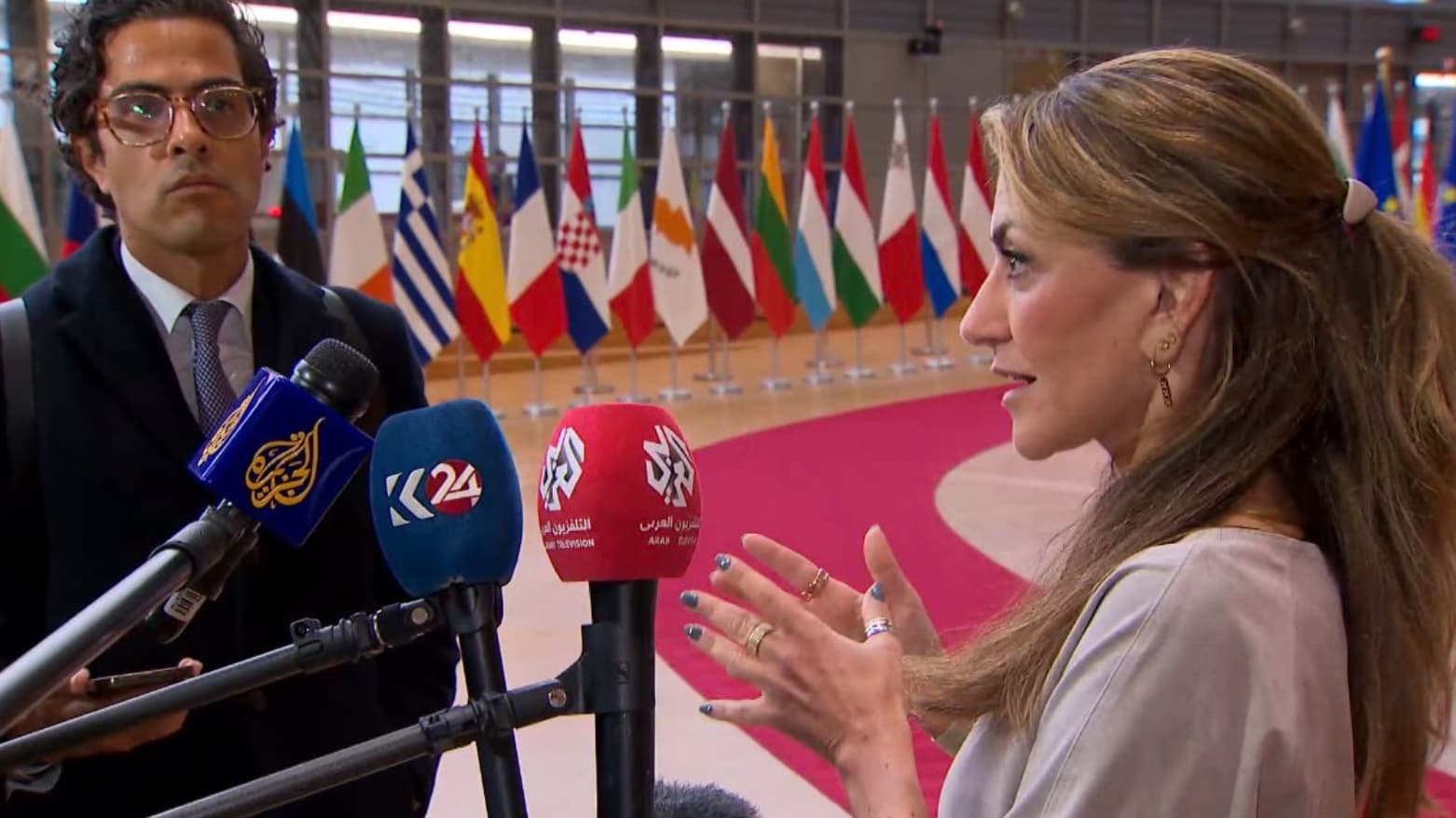
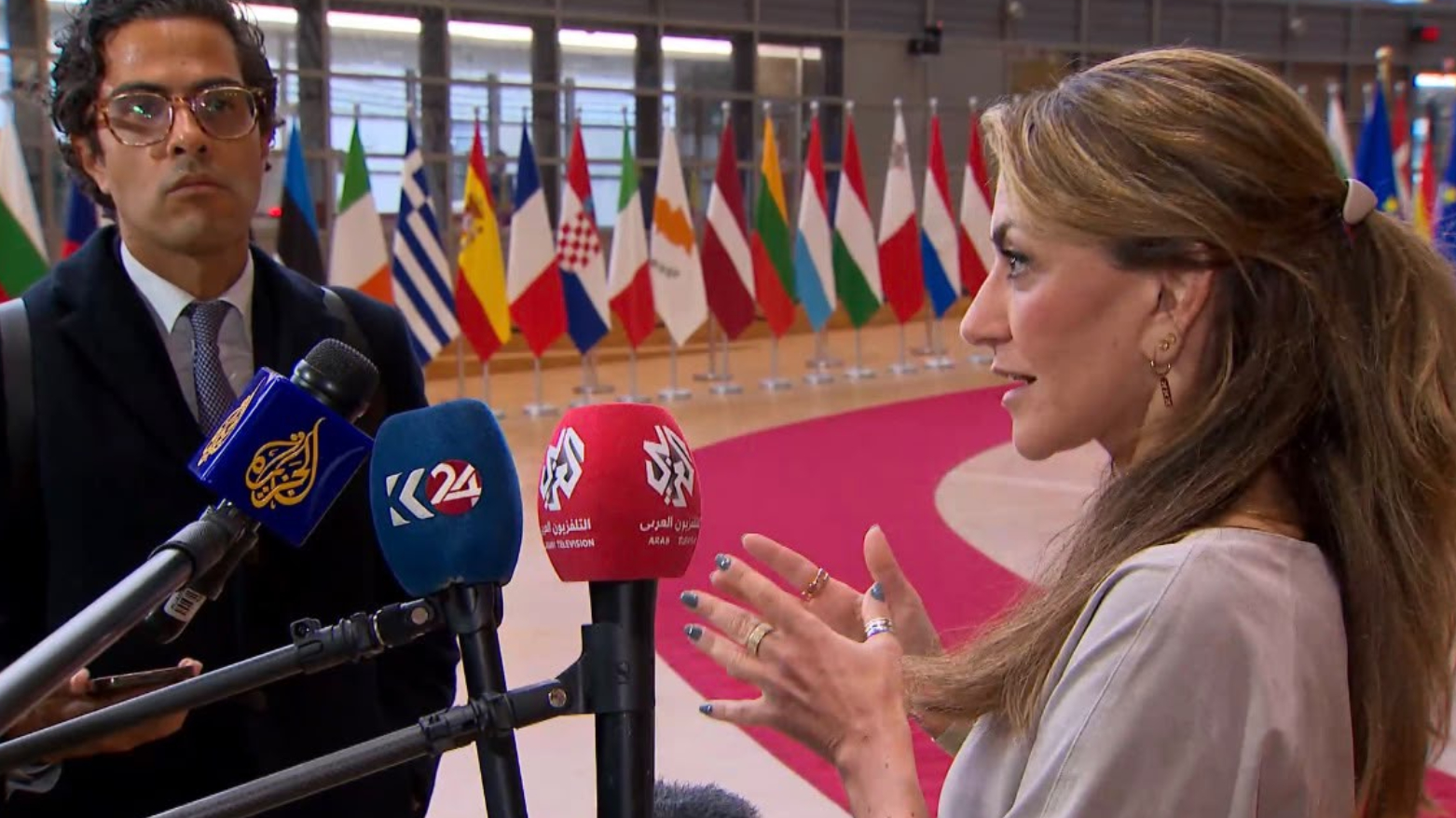
ERBIL () - The Netherlands will continue supporting Iraqi forces and the fight against ISIS as the U.S.-led coalition approaches the final stage of its current military transition, Dutch Deputy Prime Minister and Defense Minister Dilan Yeşilgöz told's correspondent Barzan Hassan on Monday.
Yeşilgöz said developments in the Middle East have consequences well beyond the region, including for Europe, and called for stronger efforts to reduce tensions while maintaining security cooperation.
"We will continue supporting the Iraqi forces and fighting against ISIS,"she said.
Her remarks come as Iraq approaches Sept. 30, a date tied to the completion of the remaining phase of the international coalition arrangement against ISIS and a broader transition in Iraq's security relationship with the United States and its partners.
Yeşilgöz stressed the importance she attaches to the American role on both sides of the Atlantic.
"I tell the Americans that your presence in Europe and the Middle East is necessary,"she told.
At the same time, the Dutch defense minister said allies must prepare to assume greater responsibility themselves and ensure that regional stability can be sustained even as the nature of the U.S. presence changes.
"We need our allies, and we will assume our own responsibilities,"Yeşilgöz said.
The comments place continued counter-ISIS cooperation at the center of the Netherlands' position at a moment when Iraqi officials are preparing for a new phase in the country's security arrangements.
The international coalition was established in 2014 after ISIS seized Mosul and large areas of Iraq and Syria and Baghdad requested international assistance.
Iraq and the United States announced a transition framework in September 2024. The first stage envisaged the conclusion of the coalition's military mission in most of Iraq, while a subsequent phase allowed support for operations against ISIS in northeastern Syria to continue from an Iraqi platform through September 2026.
reported on Sunday that Lt. Gen. Abdul Amir al-Shamari, director of the office of Iraq's commander-in-chief, reaffirmed Sept. 30 as the final deadline for the remaining American military presence under the current arrangement and said Victoria Base had already been vacated.
Iraqi National Security Adviser Qasim al-Araji has also said intelligence cooperation with Washington will continue after the coalition transition.
The approaching deadline has nevertheless prompted concern in the Kurdistan Region over whether the security conditions that allowed ISIS to emerge a decade ago could return.
President Masoud Barzani warned in a televised interview that he remains concerned about a repeat of the sequence that followed the departure of U.S. forces from Iraq in 2011.
"I say it and repeat it now,"President Barzani said when asked whether he continued to stand by his earlier warning about the possibility of an ISIS resurgence.
President Barzani recalled that Iraqi security officials at the time had acknowledged limitations in their ability to protect the country fully. U.S. forces subsequently departed, and ISIS captured large parts of Iraq several years later.
"I am afraid of the same scenario,"he said, while also acknowledging that conditions today are different from those in 2011.
Read More: President Barzani Warns US Withdrawal Could Recreate Conditions for ISIS Return
His concern and Yeşilgöz's remarks approach the transition from different positions but converge on one issue: the continued threat posed by ISIS and the importance of maintaining effective security cooperation after the coalition's existing military framework ends.
Another unresolved security question concerns weapons held outside formal state structures.
The Sept. 30 transition had also become linked to Baghdad's effort to consolidate weapons under state authority because several armed factions connected their willingness to relinquish arms to the departure of foreign forces.
That timetable has since shifted.
reported on Sept. 22 that Prime Minister Ali al-Zaidi announced a phased disarmament plan extending the deadline to June 30, 2027. The proposed process begins with a 90-day halt in militia attacks, matched by American restraint, before moving toward weapons handovers.
Foreign Minister Fuad Hussein said on Sept. 25 that negotiations on the issue remained underway.
Some factions, including Kataib Hezbollah and Harakat al-Nujaba, have resisted the current arrangements, while others have sought more time and raised demands extending beyond the military presence to U.S. influence over Iraqi political and financial affairs.
President Barzani has supported bringing weapons under state authority but called for the issue to be resolved peacefully.
He argued that armed groups should use weapons only under orders from Iraq's highest military and political authorities and warned that failure to reach a settlement could expose Iraq to wider international pressure.
The disarmament process does not apply equally to all armed forces in Iraq. Al-Araji has said the Peshmerga operate within Iraq's constitutional framework and are therefore outside the decision concerning weapons held beyond state authority.
Against that changing security landscape, Yeşilgöz's comments indicate that the Netherlands does not view the conclusion of the coalition's current framework as the end of international responsibility for countering ISIS.
She said Europe and the wider world are directly affected by instability in the Middle East and emphasized both continued allied cooperation and greater responsibility from partners themselves.
For Iraq and the Kurdistan Region, Sept. 30 therefore marks a transition rather than the disappearance of the security questions that shaped the coalition's presence.
ISIS cells remain a concern, Baghdad is still negotiating the future of factional weapons, and Kurdish leaders continue to warn against creating a security vacuum.
The Netherlands, Yeşilgöz said, intends to remain engaged on one of those central challenges: supporting Iraqi forces and continuing the fight against ISIS.