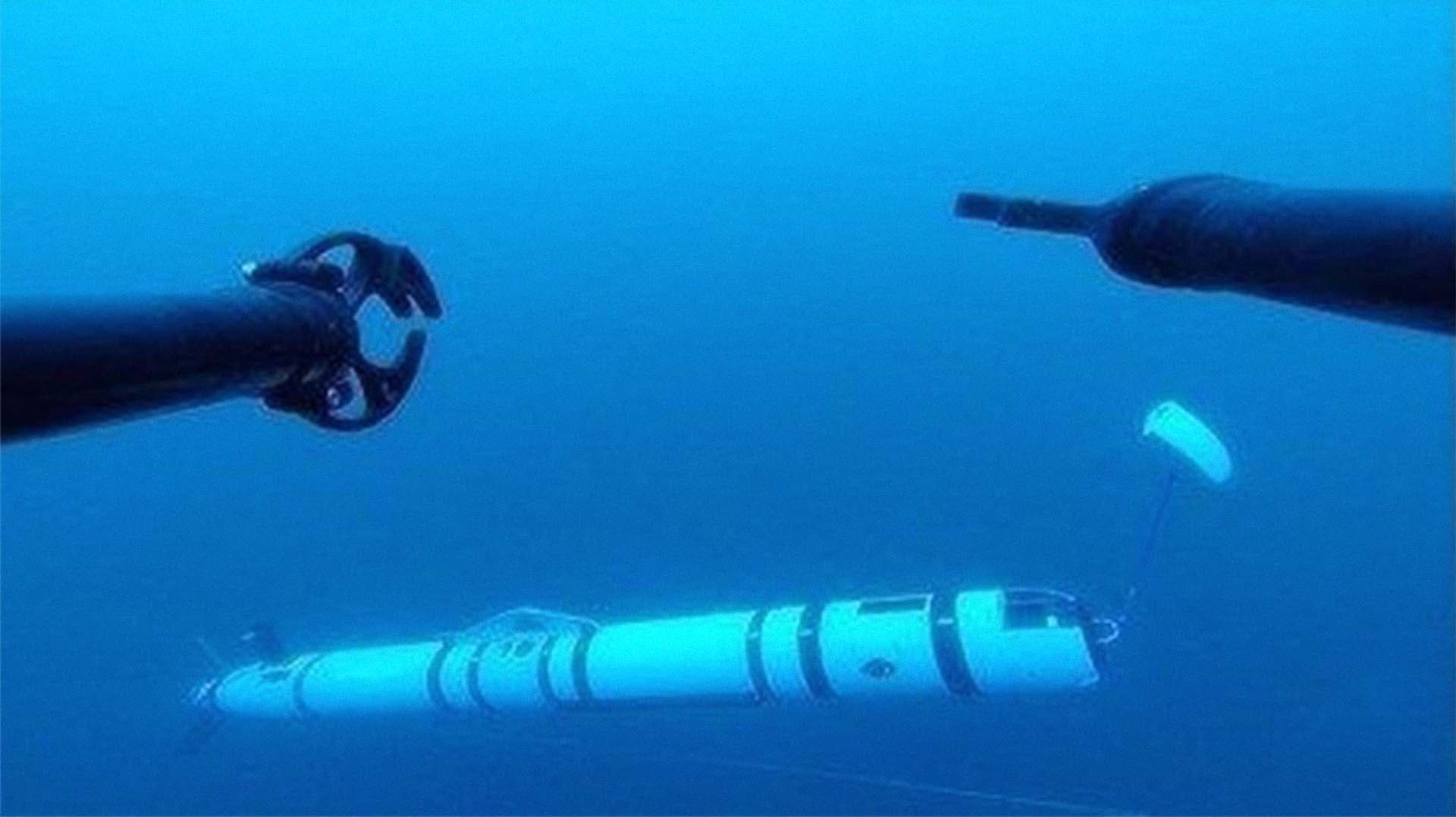
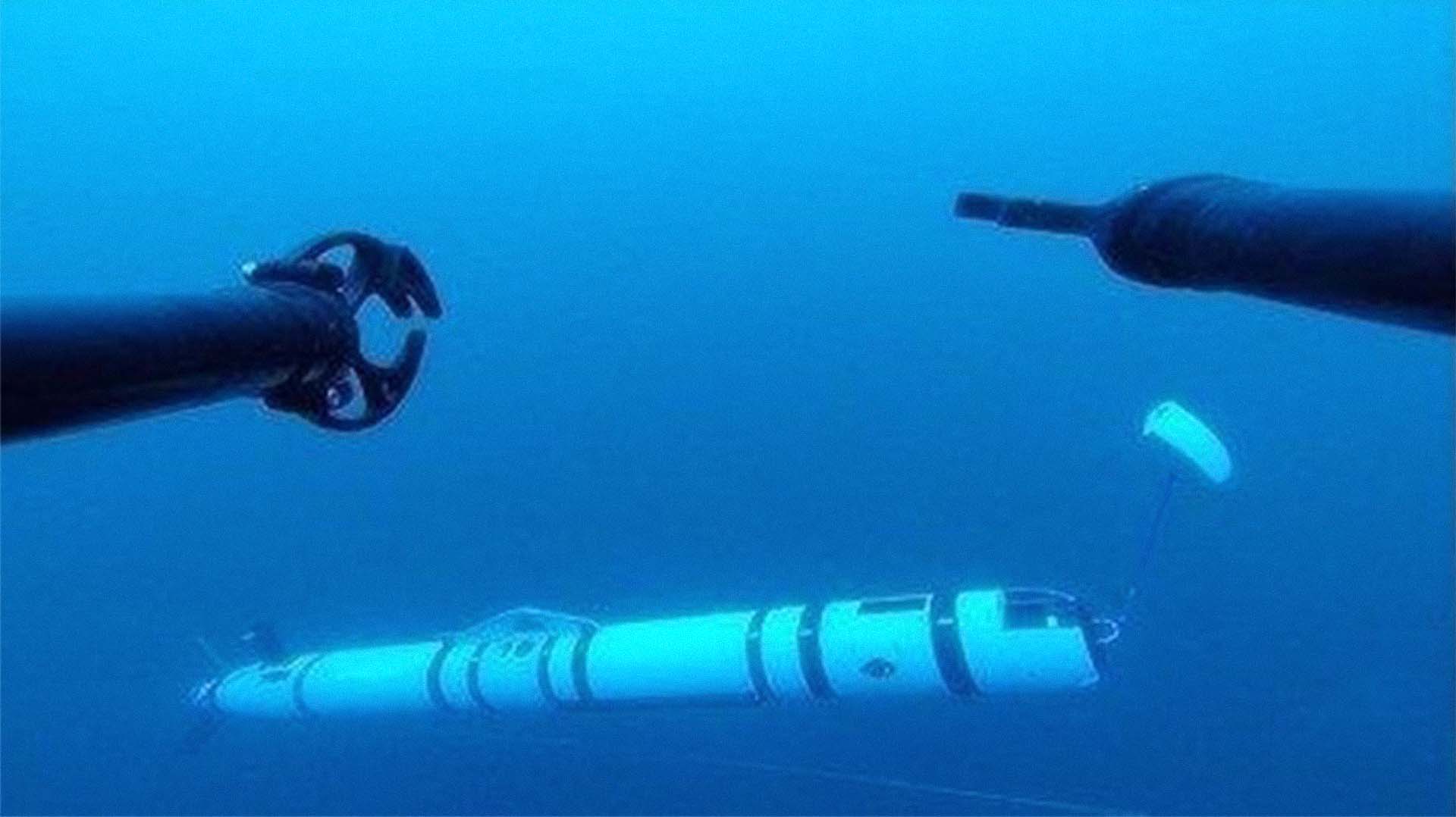
ERBIL () - Iran’s Islamic Revolutionary Guard Corps Navy said Sunday, that it had seized a US-made unmanned underwater surveillance vehicle in the Strait of Hormuz through electronic warfare and intelligence technology, as Tehran maintained a heightened military posture amid escalating tensions with Washington.
The Revolutionary Guard said the vessel, a REMUS-600 autonomous underwater vehicle, was conducting a surveillance mission in the area when Iranian forces took control of it. Iranian military specialists are now examining the vehicle to extract its data, according to the report.

The announcement came as tensions intensified after US President Donald Trump said he had rejected Tehran’s proposal for a ceasefire and the reopening of the Strait of Hormuz.
Mohammad Akrami-Nia, an Iranian military spokesman, said the country’s armed forces were fully prepared to respond to any new US aggression.
Amid the heightened tensions, Amir Hatami, commander-in-chief of Iran’s armed forces, issued a strong warning over the potential disruption of Iranian trade.
“The confrontation has reached a decisive stage. If Iran cannot trade and survive, then no one else can trade and survive either. The Strait of Hormuz is a line of our honor and dignity, and we will not allow our enemies to use this logistical route while the Iranian people are being besieged,” Hatami said.
Iranian Foreign Minister Abbas Araghchi, meanwhile, reiterated that diplomacy was the only way out of the crisis.
Araghchi said Qatari mediators had not yet formally conveyed to Iran any US rejection of its proposal. He added: “Our conditions are clear, and any step toward reopening the Strait of Hormuz is tied to the implementation of those conditions.”
On the nuclear issue, a senior Iranian official told Reuters that Tehran would not compromise on uranium enrichment under any circumstances, even if the United States accepted an agreement to end the war.
The latest developments come as The Wall Street Journal reported that Trump was considering resuming heavy bombing of Iranian positions after the November elections.
Regional clashes have also continued. In a new airstrike on a market in Yemen’s southwestern Taiz province, seven people were killed and 40 others were wounded, according to the supplied report.
The developments underscore the widening tensions surrounding the Strait of Hormuz, Iranian trade, and the nuclear dispute, alongside continued military confrontations elsewhere in the region.