ERBIL () - Former British Prime Minister Tony Blair has warned that Iran may be underestimating U.S. President Donald Trump's determination to pursue Washington's objectives in the ongoing conflict, while arguing that negotiations should remain an option provided Tehran cannot obtain nuclear weapons capability.
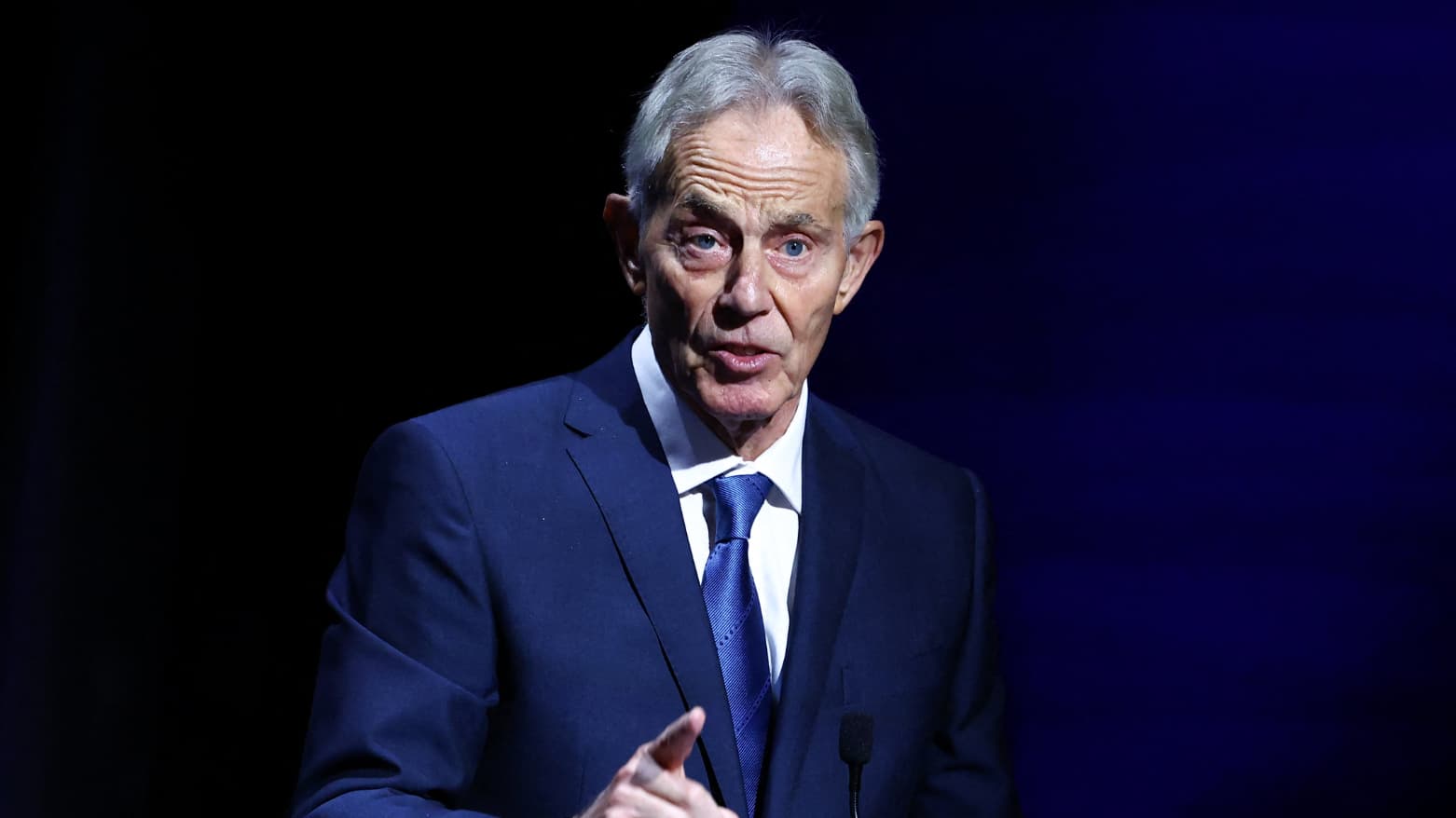
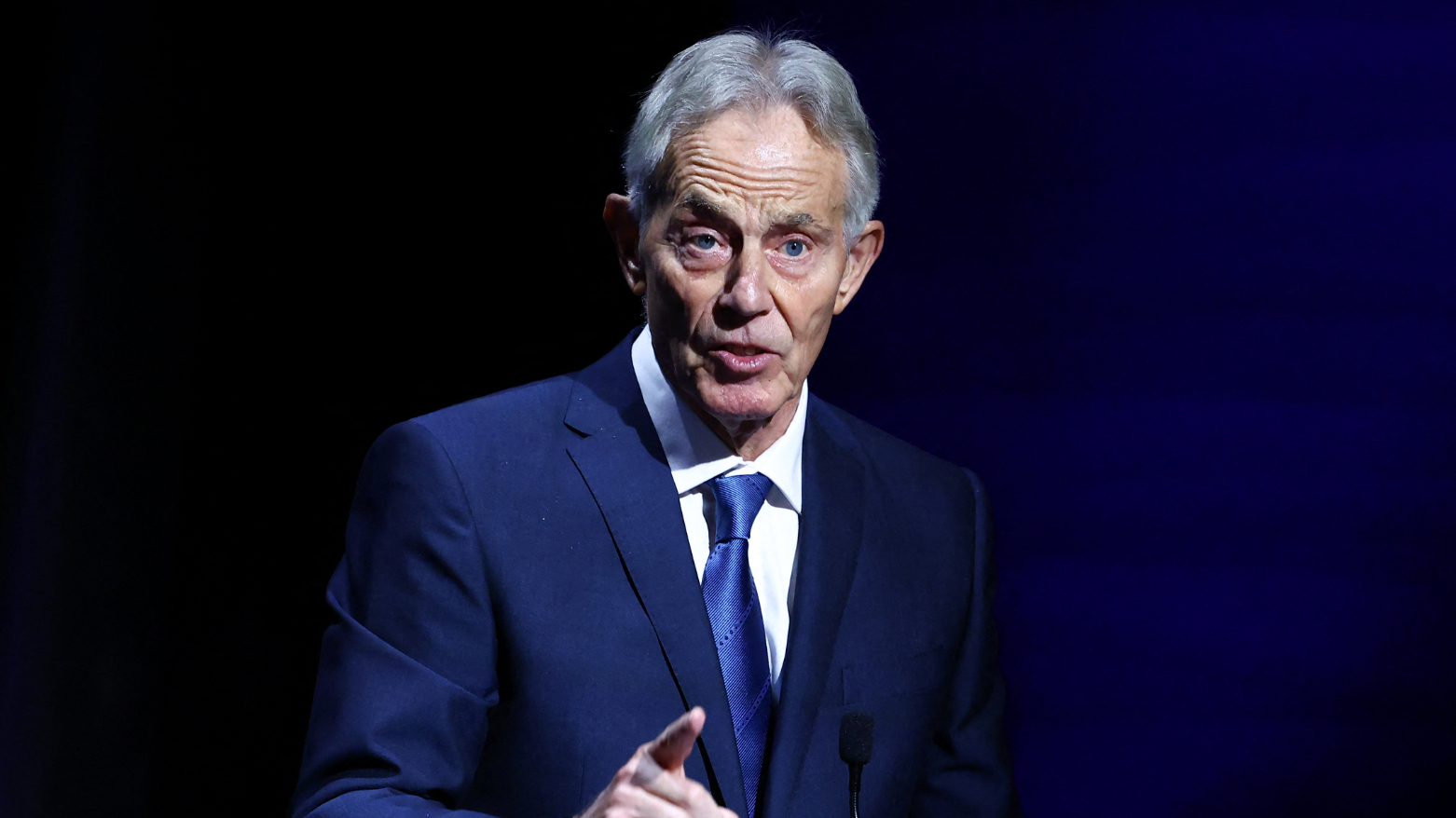
Speaking with Kayleigh McEnany on Fox News' Saturday in America, Blair said debate would continue over whether the war should have begun, but argued that the immediate question was how it ends and whether the objectives behind it are achieved.
"I think there is an underestimation by the regime now of President Trump's determination to see this through,"Blair said.
Blair, who recently returned from the Middle East, said he found less disagreement in the region over the need to prevent Iran from acquiring nuclear weapons capability.
He argued that an Iranian nuclear weapon would risk wider proliferation across the Middle East and further destabilize the region.
Blair supported diplomacy as a route to resolving the conflict but said negotiations would need a clear outcome.
"We should negotiate, of course. If you can do it by negotiation, fine,"he said, adding that Iran needed to understand that Washington had what he described as a "bottom line."
His comments came during a discussion that also addressed the Strait of Hormuz and the economic pressure facing Iran.
Blair described the Iranian economy as being in severe difficulty and said ordinary Iranians were suffering. He distinguished between the Iranian population and the country's political system, describing Iran as a major civilization with a large and educated population while sharply criticizing the ideology of the Islamic Republic.
The interview then turned to Gaza, where Blair serves on President Trump's Board of Peace.
He discussed a proposed first phase of reconstruction worth approximately $2.4 billion, covering areas including temporary housing, rubble removal, hospital repairs and economic recovery.
Blair said the scale of destruction meant reconstruction could not be separated from the question of security and governance.
He said around 70 percent of Gaza had been destroyed and much of its population displaced, while Hamas remained present.
According to Blair, the proposed approach involves beginning a disarmament process for Hamas while clearing rubble and unexploded ordnance before gradually rebuilding the territory.
The aim, he said, was to create conditions in which Gaza could be governed differently and its population could live in peace and security.
Blair stressed, however, that Hamas's agreement in principle to disarm would have to be translated into action.
He said further negotiations were needed to determine how the disarmament process would work and argued that the wider Gaza Strip would also need to be demilitarized to prevent it from being used as a base for future attacks against Israel.
Blair described the task as exceptionally difficult, pointing to what he said were hundreds of miles of tunnels beneath Gaza's cities, towns and villages.
He said he hoped the process could begin before the end of the year but cautioned that the scale of reconstruction and demilitarization was enormous.
The former prime minister also addressed artificial intelligence, arguing that governments should focus on how to use and manage the technology rather than simply debating whether it is beneficial or harmful.
Blair said AI could transform productivity, healthcare, education and government but warned that the same technology could also be misused.
He compared AI to a general-purpose technology capable of producing both significant benefits and serious risks, saying policymakers would need to balance continued development with safeguards against abuse.
The interview concluded with the U.S.-U.K. relationship and European security.
Blair argued strongly for maintaining close ties between Washington and London, describing the United States as indispensable to Britain's security.
He said he personally did not believe Russian President Vladimir Putin intended to attack other European countries, while acknowledging that many Europeans disagreed with that assessment.
"If we get drawn into a conflict without the support of America, we don't win,"Blair said.
Fox News Digital reporter Taylor Penley, covering Blair's comments, highlighted his argument that the transatlantic relationship remained essential as European governments debate the possibility of a broader confrontation with Russia.
Blair said that security calculation was also why he believed Britain should support the United States when Washington sought assistance from its ally.
Across Iran, Gaza, artificial intelligence and European security, Blair's central argument was that governments should combine diplomacy with clearly defined objectives: seeking negotiations where possible, while maintaining the political and strategic leverage needed to enforce the outcomes they consider essential.