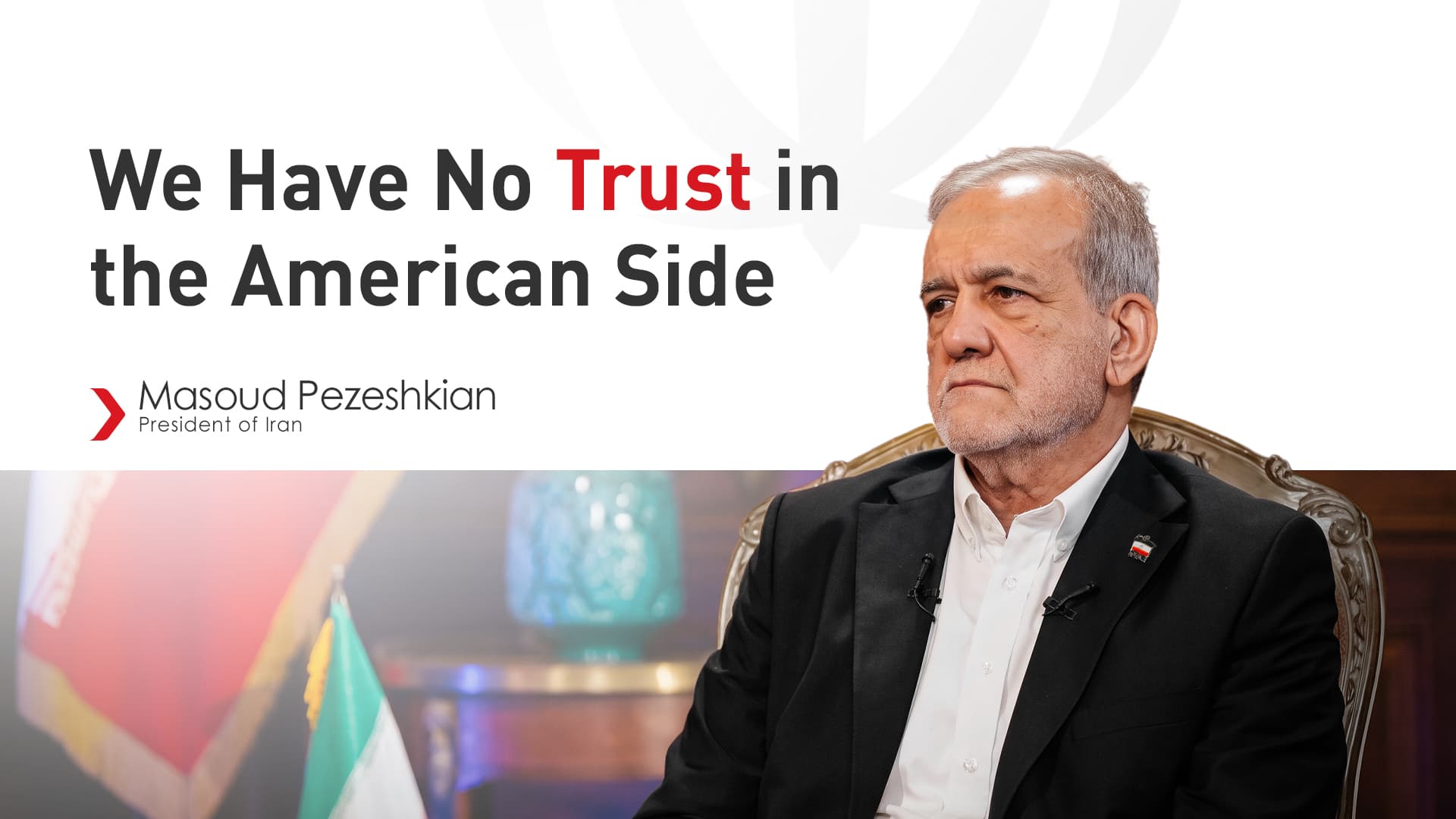
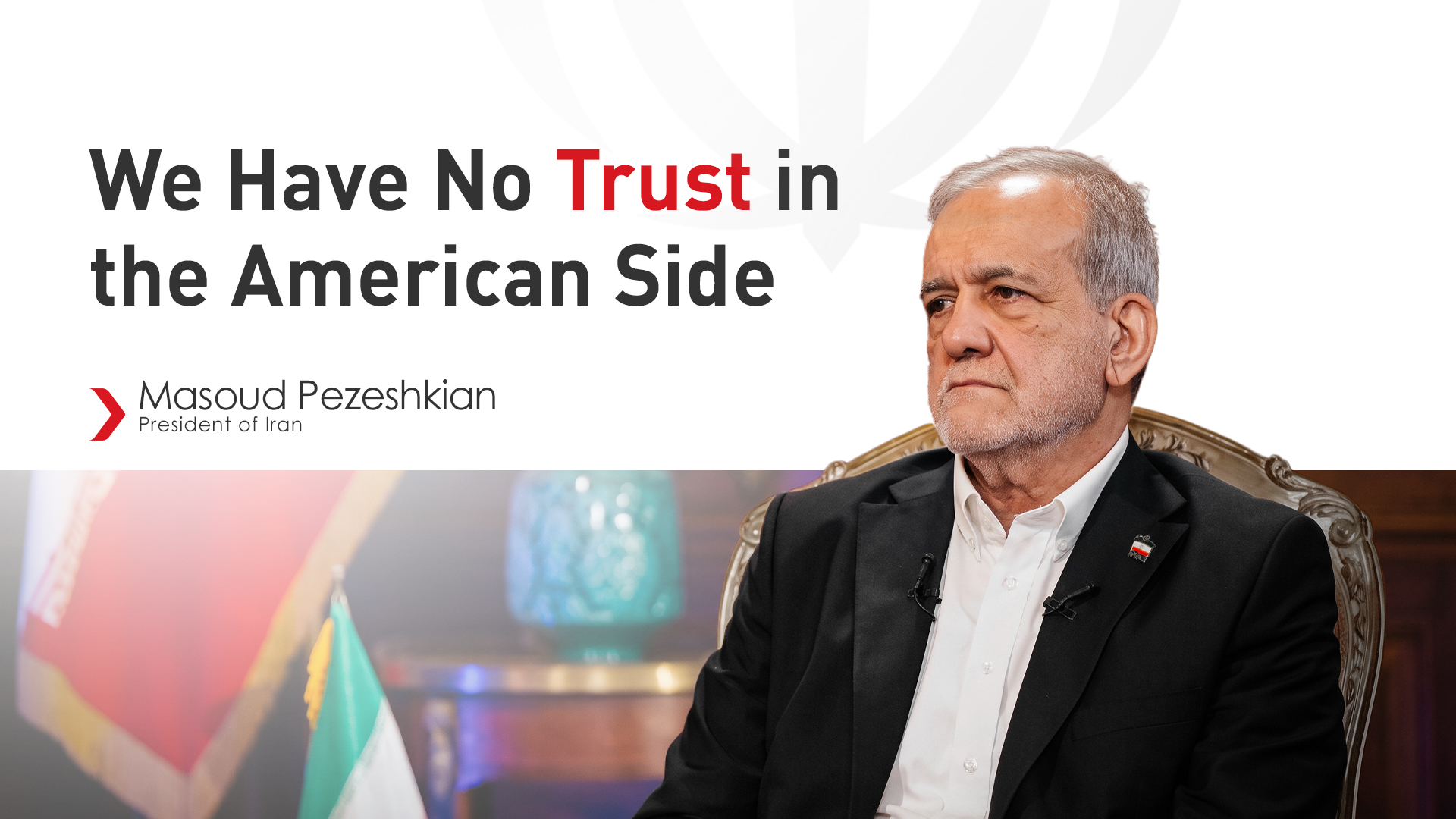
ERBIL () - Iranian President Massoud Pezeshkian told in an interview aired on Saturday that Iran no longer trusts negotiations with the United States after previous rounds of talks were followed by attacks and sanctions, while simultaneously confirming that Tehran's seven-day Hormuz reopening proposal remains on the table and that Qatar and Pakistan are conveying Iran's messages to Washington as mediators.
"We have no trust in the American side and do not know on what basis an understanding can be reached with it,"Pezeshkian told,
adding that
Previous negotiations had been followed by American attacks and sanctions rather than compliance.
The Seven-Day Plan
Foreign Minister Abbas Araghchi provided the most detailed public timeline yet of Iran's Hormuz proposal in remarks to reporters on Friday, September 25, 2026. Araghchi said initial steps would take four to five days, the Strait of Hormuz would reopen on the sixth day, and on day seven talks with the US will begin on the final deal on mutually agreed subjects, referring to Iran's nuclear programme.
Under the plan, Washington would lift its naval blockade of Iranian ports, waive sanctions on Iranian oil sales, release an estimated $12 billion in frozen Iranian assets, and observe a ceasefire covering the region including Lebanon and Yemen. In return, Iran would reopen the Strait of Hormuz, through which one-fifth of the world's traded oil and gas passed before the war began.
Pezeshkian told that the negotiations are based on the previous memorandum of understanding reached by the two sides in June and that the US must clarify its position on that agreement, which lapsed last month. He confirmed that Qatar and Pakistan are conveying Iran's messages to Washington, identifying the two mediating channels simultaneously for the first time.
Hormuz: "A Natural Response"
Pezeshkian denied that Iran was responsible for blocking the Strait of Hormuz, saying the US closed the routes before Iran did and describing Tehran's closure as a natural response when routes are cut off to Iran. He said the crisis could be resolved through negotiations rather than force, and that the waterway would reopen to commercial shipping if talks ended the war.
Pezeshkian called the US the aggressor in the conflict, saying Iran has not attacked any country in 200 years. He said the US and Israel had dragged regional countries into the war in the belief that the Iranian system would collapse within days. "We withstood the American and Israeli attacks, and we will continue to stand firm,"he said, adding that neither the killing of an Iranian commander nor economic pressure had caused Iranians to retreat.
On the Houthis and Saudi Arabia
In a significant distancing from the Houthi file, Pezeshkian said the actions of the Houthis in Yemen were not connected to Iran, adding that Tehran stands in solidarity with everyone subjected to injustice. He urged the Houthis and Saudi Arabia to resolve their differences through dialogue, saying a brother should not fight his brother, and offered Iran's help in ending the dispute. "We will not be warmongers,"he said.
Pezeshkian also said Saudi Arabia is capable of playing a role in uniting the Islamic world, a notably conciliatory statement toward Riyadh at a moment when the two countries remain in an indirect military confrontation and Saudi FM had told the UN General Assembly the same day that Saudi Arabia and regional countries have been subjected to unjust Iranian attacks.
On Regional Security and Sanctions
Pezeshkian said regional security could be achieved through cooperation among the region's own countries without external intervention. "We do not need a regional policeman,"he said, accusing the US and Israel of seeking to pit Islamic countries against one another to control the region's resources.
He linked Iran's sanctions to the siege of Gaza. "Those who deny Iranians medicine and raw materials are the same people who cut off food and water from Gaza,"he said, adding that anyone who believed Iranians could be targeted through sanctions had miscalculated.
Supreme Leader and Domestic Unity
On Supreme Leader Mojtaba Khamenei, Pezeshkian reiterated that he had met with him twice, with one meeting lasting seven hours covering pivotal issues, and insisted the country is witnessing unprecedented unity and cohesion despite enemy attempts to stir disagreements among Iranian officials.