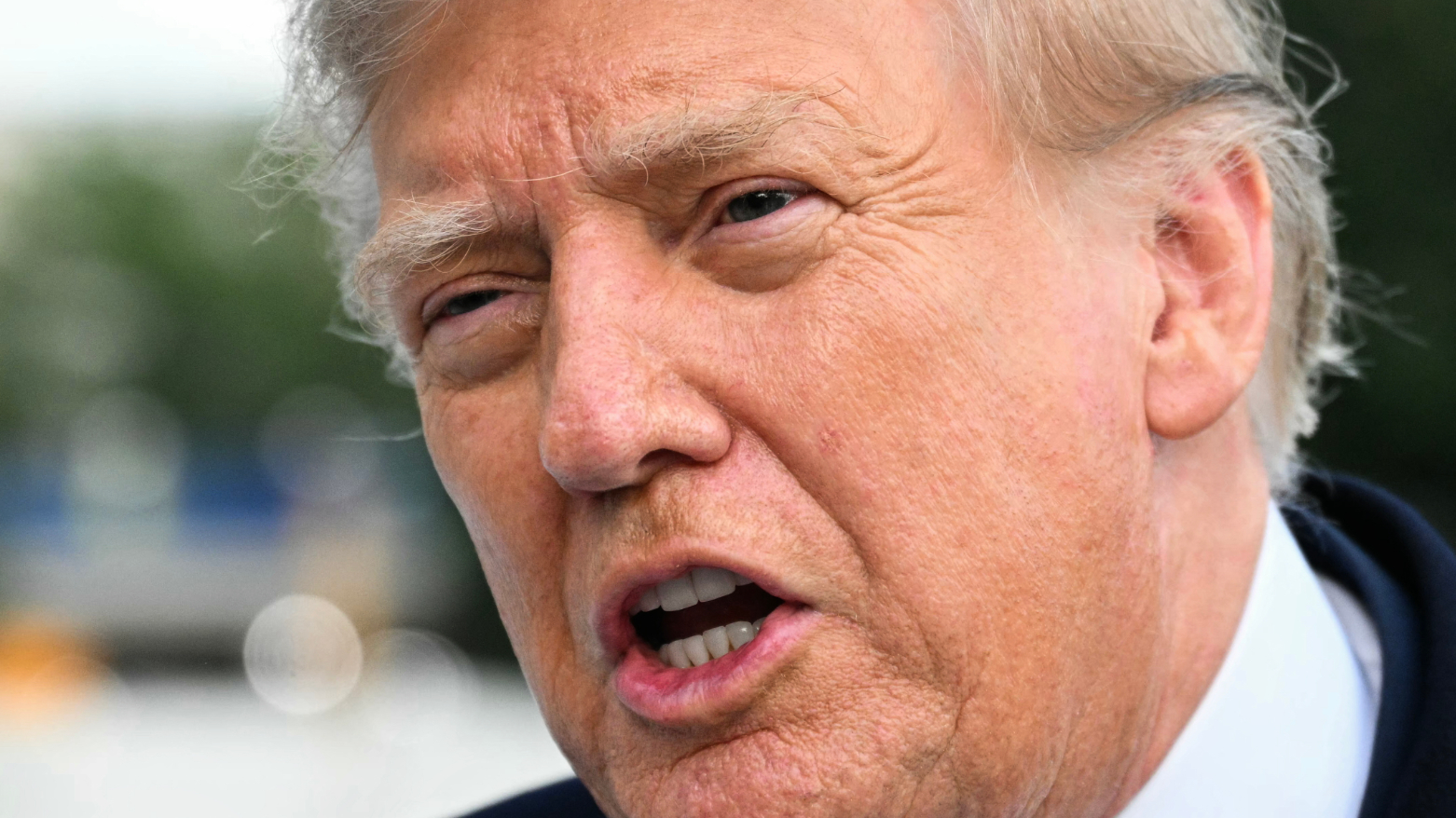
ERBIL () - Iran was awaiting an official U.S. response Saturday to a proposal that would reopen the Strait of Hormuz and resume nuclear negotiations within seven days, even as The Wall Street Journal reported that President Donald Trump had rejected the plan.
Iranian Foreign Minister Abbas Araghchi presented the initiative during the United Nations General Assembly in New York, saying Tehran had conveyed the proposal to Washington through Qatar.
Under the plan, the United States and Iran would begin with a seven-day cessation of hostilities across the Middle East, including Lebanon. Washington would also be required to lift its naval blockade of Iranian ports, ease sanctions on Iranian oil and release at least $12 billion in frozen Iranian assets.
Iran would reopen the Strait of Hormuz before the end of the seven-day period and negotiations over its nuclear program would then resume.
Araghchi said the timetable would begin once Washington accepted the proposal. The Associated Press reported that he expected the initial measures to take four or five days, followed by the reopening of the strait on the sixth day and negotiations beginning on the seventh.
The initiative comes after nearly seven months of war between the United States and Iran and renewed diplomatic efforts on the sidelines of the General Assembly.
Agence France-Presse reported that Araghchi met Trump's envoy Steve Witkoff during the week, while Iranian President Masoud Pezeshkian met UN Secretary-General Antonio Guterres before returning to Tehran on Saturday.
Pezeshkian said Iran had not abandoned negotiations but no longer trusted Washington because of previous experiences.
The diplomatic opening, however, has been accompanied by conflicting signals from the United States.
The White House had not publicly announced a formal decision on Tehran's proposal by Saturday. The Associated Press reported that U.S. officials would say only that discussions with mediators over the Iran war were positive and constructive and that Washington was helping facilitate substantial oil shipments through Hormuz.
The Wall Street Journal, citing U.S. officials familiar with the matter, reported separately that Trump had rejected the seven-day ceasefire proposal and had told aides that he expected U.S. bombing of Iran to resume after November's midterm congressional elections.
Reuters also reported Saturday that Tehran remained publicly awaiting an official U.S. response despite the Journal's account of Trump's decision.
According to the Journal, Trump doubts Iran would meet U.S. demands and considers renewed military strikes a possible next step. The report also said negotiations through intermediaries were continuing, including discussions over Iran's nuclear program.
The Strait of Hormuz has become one of Iran's principal points of leverage during the conflict. Before the war, roughly one-fifth of globally traded oil and gas passed through the waterway, according to the Associated Press.

The disruption has placed pressure on energy markets and made the strait central to diplomatic efforts aimed at ending the conflict.
Iran's current proposal resembles a memorandum of understanding reached with Washington in June. That agreement was intended to halt hostilities, reopen Hormuz and begin negotiations on Tehran's nuclear program.
It collapsed shortly afterward after Iran fired on commercial vessels that Tehran accused of departing from shipping routes it had authorized through the strait.
Iran requires vessels to receive authorization before passage, citing security and sovereignty. The United States has carried out strikes on Iranian coastal areas in response to attacks on shipping.
The latest Iranian plan also extends beyond Hormuz.
Araghchi said the proposed pause in hostilities would include Lebanon, while Hossein Mohebi, a spokesperson for Iran's Islamic Revolutionary Guard Corps, told AFP that ending fighting in Yemen was among Tehran's conditions.
That element adds another layer to negotiations because renewed conflict involving Yemen's Iran-backed Houthis and Saudi Arabia has put further pressure on regional shipping and energy markets.
Associated Press reporters Cara Anna, Farnoush Amiri and Aamer Madhani reported that Saudi Arabia was skeptical about the latest Iranian initiative, according to a person familiar with private discussions. The kingdom had previously supported negotiations over Hormuz, but its calculations had shifted amid renewed Houthi activity and attacks affecting regional energy infrastructure.
Inside Iran, the diplomatic push has also exposed differences among political and security figures.
Some hard-line officials have criticized engagement with Washington, while Parliament Speaker Mohammad Bagher Qalibaf has publicly acknowledged competing approaches between those favoring continued confrontation and those advocating greater diplomatic flexibility.
For now, Tehran's seven-day proposal remains formally unanswered by Washington in public.
The Journal's report indicates that Trump has rejected the current terms, while Iranian officials continue to present the offer as an available diplomatic route to reopen one of the world’s most important shipping corridors and resume nuclear negotiations.