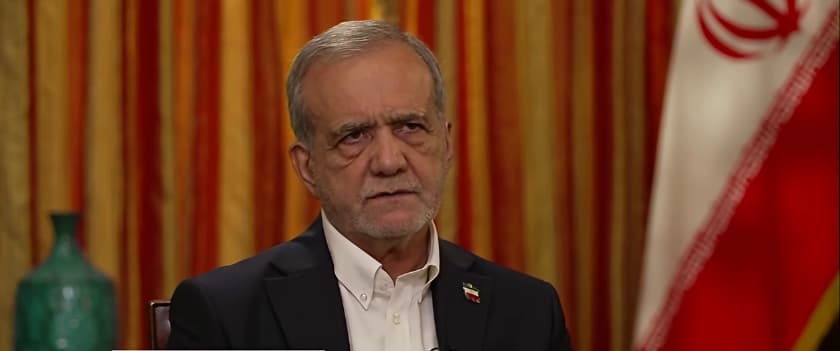
ERBIL () - Sirwan Mohammed, Deputy Minister of Planning of the Kurdistan Regional Government (KRG), said federal authorities altered the Kurdistan Region's figures in Iraq's general census tables, reducing its population share to 12.67% in a move that Erbil has rejected.
Speaking on's "Basi Roj"segment with Zhino Mohammed, Mohammed said Baghdad, through the federal statistics authority, sent the KRG Ministry of Planning a table in which the Kurdistan Region's population figures had been changed.
He said the table excluded internally displaced persons, refugees and foreign residents living in the Kurdistan Region, while displaced people were reassigned to other Iraqi provinces. According to Mohammed, those changes lowered the Region's population share to 12.67%.
The KRG has rejected the lower figure and maintains that 14.14% is the official population ratio established by the 2024 census. At its Sept. 16 meeting, the KRG Council of Ministers said Iraq's Higher Population Council had set the Region's share at 12.68%, while arguing that the approved census results established a 14.14% share.
Mohammed said the 14.14% figure should form the basis for determining the Kurdistan Region's share of the 2027 federal budget and future budgets, warning that even a relatively small change in the percentage could translate into substantial financial losses for Erbil.
"If Iraq's general budget is calculated at 100 trillion dinars, reducing the rate from 14.14% to 12.67% would cause an annual loss of approximately 1.5 trillion dinars to the Kurdistan Region's budget share,"Mohammed said. "This would have a direct impact on investment projects, financial entitlements, loans, and grants."
The dispute gives the census direct financial and political significance as Erbil and Baghdad prepare for negotiations over Iraq's 2027 budget. The KRG has argued that the population ratio should determine not only its share of federal spending and revenues but also aspects of the Region's representation within federal institutions. The KRG Council of Ministers has instructed relevant ministries and government bodies to pursue constitutional, legal and judicial measures over the issue.
Mohammed described the dispute as "political, not technical,"saying three federal Council of Ministers decisions had previously been issued at the Kurdistan Region's request to regulate the census process, particularly in Kurdistani areas outside the KRG's administration, and to finalize the data.
He said the federal Ministry of Planning did not comply with those decisions.
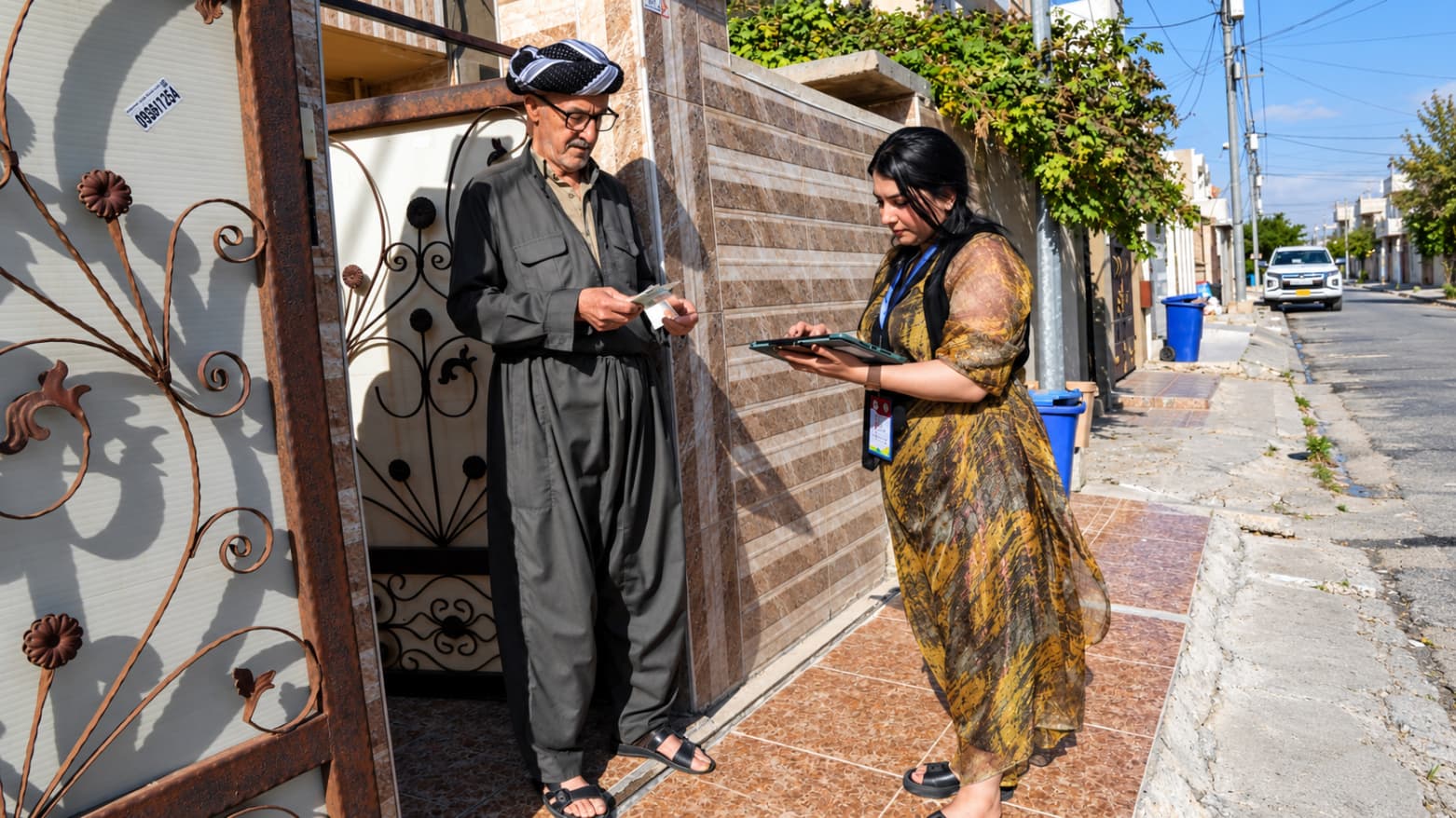
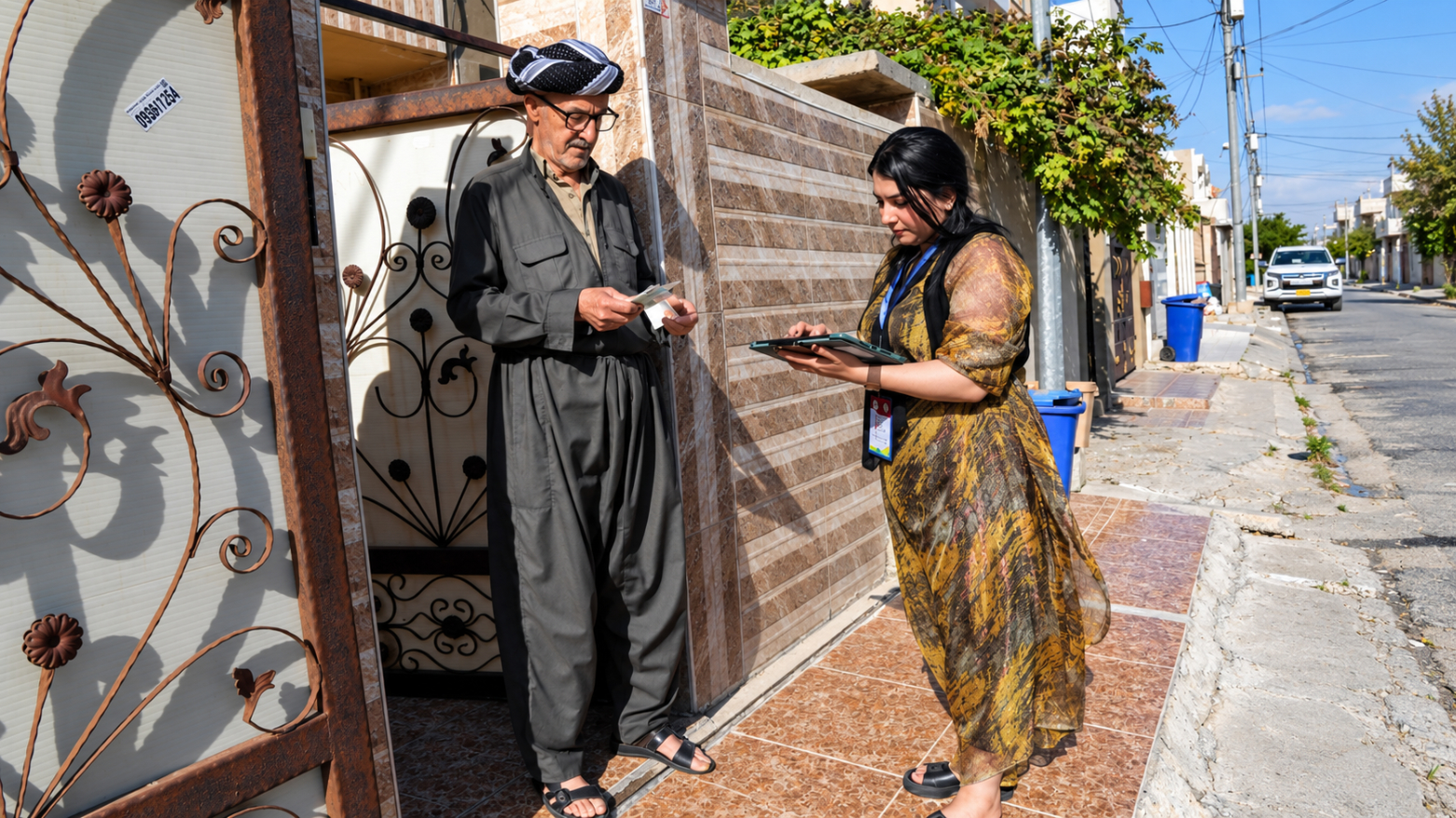
Iraq's 2024 population and housing census was the country's first comprehensive nationwide count in 37 years and included the Kurdistan Region. The final results put Iraq's population at 46,118,793, including 45,778,662 Iraqi citizens and 340,131 foreign residents, according to the federal Ministry of Planning.
Final Kurdistan Region data placed its population at 6,519,129, comprising 3,284,668 males and 3,234,461 females. The KRG maintains that the census established the Region's population share, excluding Kurdistani areas outside its administration, at 14.14%.
Read More: Analysis of Iraq’s 2024 Census Results: A Deep Dive into Demographic Shifts and National Trends
The question of how census figures would be applied had drawn particular attention before the nationwide count, especially in disputed territories. KRG officials had sought safeguards against demographic manipulation and maintained that the exercise, designed primarily for development and statistical planning, should not replace the separate constitutional mechanism concerning disputed territories.
The latest dispute also follows the KRG's formal rejection earlier this month of Baghdad's population-ratio decision. KRG spokesperson Peshawa Hawramani said after the Sept. 16 Council of Ministers meeting that Erbil would pursue political and legal channels to have the lower figure reversed and called for Kurdish factions in the Iraqi parliament to adopt a unified position.
Mohammed also criticized Baghdad's use of what he described as an "actual expenditure"policy in determining the Kurdistan Region's financial entitlements. He said the approach had previously contributed to employees in the Region losing the equivalent of three to four months of salaries.
He said that if the federal government does not return to what the KRG considers the constitutional framework for resolving the matter, the Kurdistan Region's political leadership would intervene directly.
Read More: KRG Rejects Baghdad's Population Ratio Decision
Mohammed added that Erbil would pursue all available legal measures, including taking the dispute to Iraq's Federal Supreme Court, as it presses for the 14.14% population share to be recognized in the 2027 budget and subsequent federal budgets.