ERBIL () — US President Donald Trump said Sunday that Yemen’s Houthis have agreed not to attack US forces, even as the Iran-aligned group intensifies its military campaign against Saudi Arabia, a close US ally.
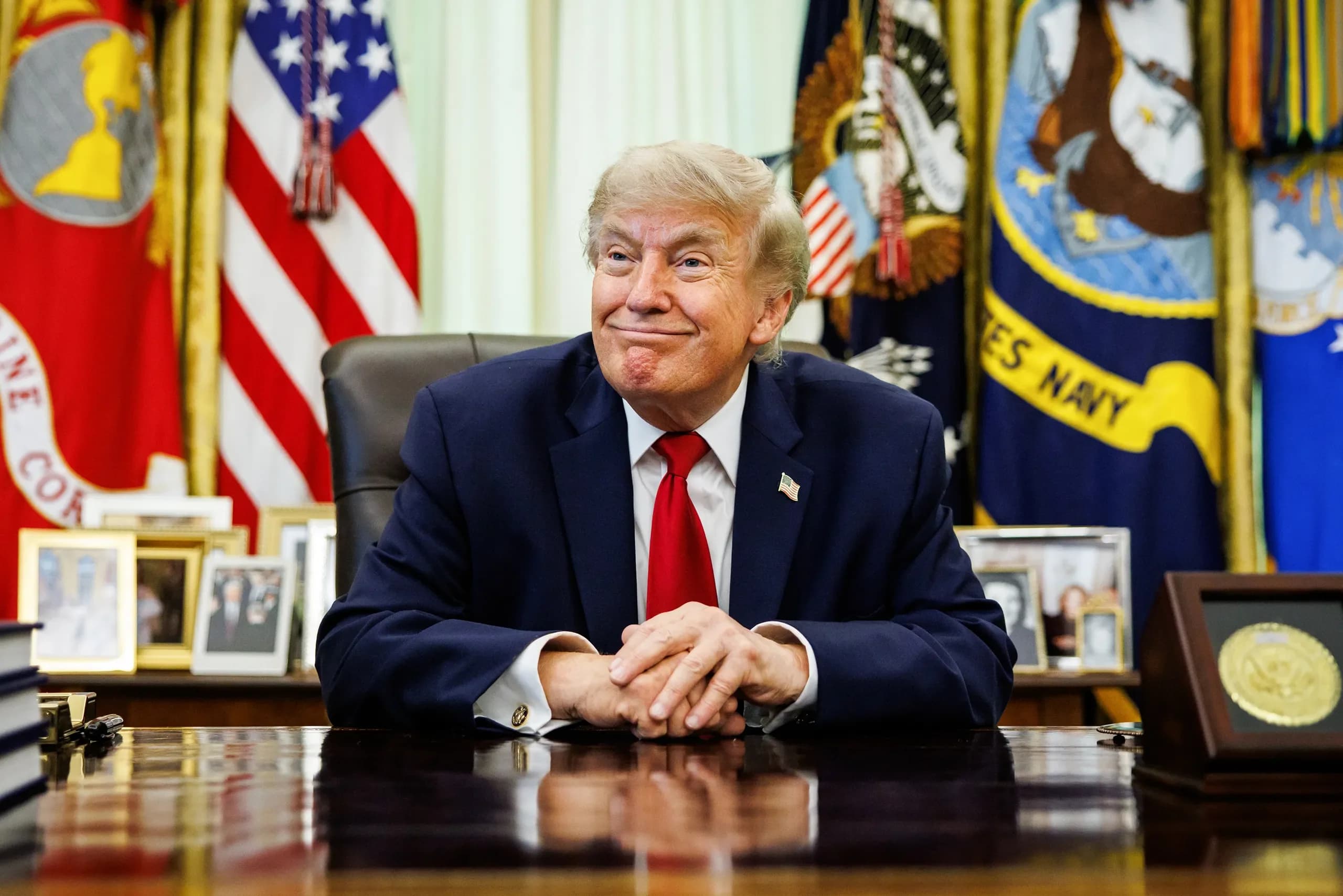
Fox News correspondent Trey Yingst, who said he spoke with Trump, reported that the president told him Washington is “in constant communication with the Houthis” and that the group had agreed “not to fight the United States.”
Trump has previously made similar claims about communications with the Houthis. During a visit to Ireland on Sept. 12, he said the group had contacted Washington and did not want the United States to intervene in the conflict.
“The Houthis called us and they don't want to fight with us,” Trump said at the time, adding that they did not want the United States to target them.
The latest comments came as fighting between Saudi Arabia and the Houthis has sharply intensified. On Saturday, the Houthis launched a ballistic missile toward Riyadh, marking the first reported attempt to strike the Saudi capital since the latest escalation began.
Saudi authorities said the missile was intercepted, while explosions and smoke were reported near King Khalid International Airport.
The Houthis also claimed attacks against targets in Riyadh and facilities belonging to Saudi oil giant Aramco in Yanbu. Saudi authorities said the group had also attempted attacks against civilian and infrastructure targets in several parts of the kingdom. The Houthi claims concerning damage to some of the targeted facilities could not be independently verified.
The US State Department warned Sunday that the conflict between Saudi Arabia and the Houthis could “escalate rapidly” and urged Americans outside the Middle East to seriously reconsider travel to and through the region.
The escalation follows a rapid Houthi offensive inside Yemen, during which the Iran-aligned group has seized additional territory and strategic positions along the Red Sea coast.
The group's advances have increased concerns over the security of the Bab al-Mandab Strait, a critical maritime passage linking the Red Sea with the Gulf of Aden.
The latest fighting has also raised concerns over global energy supplies and maritime trade, particularly as the wider Middle East conflict has already disrupted shipping through the Strait of Hormuz.
The Houthis have separately declared a naval blockade and intensified attacks on Saudi-linked shipping and infrastructure.
Meanwhile, Trump has indicated that he is considering his next steps regarding Iran. Yingst reported that the president told him that “big things will be happening in the not so distant future” and that he was weighing whether to take further action against Tehran.
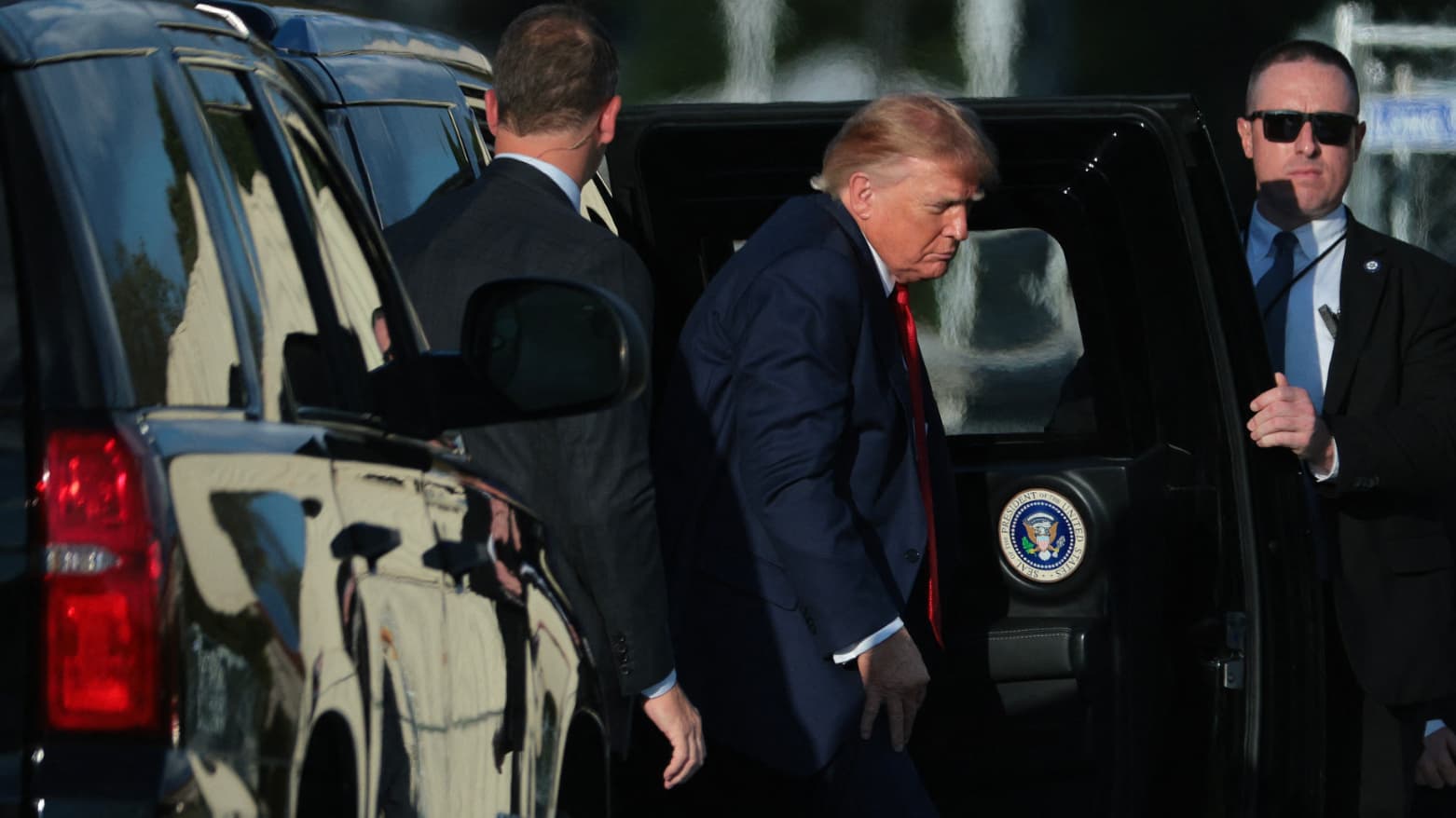
Trump also unexpectedly returned to the White House on Saturday after cutting short a weekend at Camp David, although the White House did not provide a specific explanation for the early return.
The worsening Saudi-Houthi confrontation has drawn wider regional attention. Turkish Foreign Minister Hakan Fidan said Ankara had discussed the situation with Saudi Arabia and Pakistan and indicated that Türkiye could respond to Saudi requests for military assistance under its recently established defense arrangements.
The developments come amid a broader regional confrontation involving Iran, the United States and Israel. The intensification of fighting in Yemen, alongside tensions around the Red Sea, Bab al-Mandab and Strait of Hormuz, has added another pressure point to an already volatile Middle East security environment.