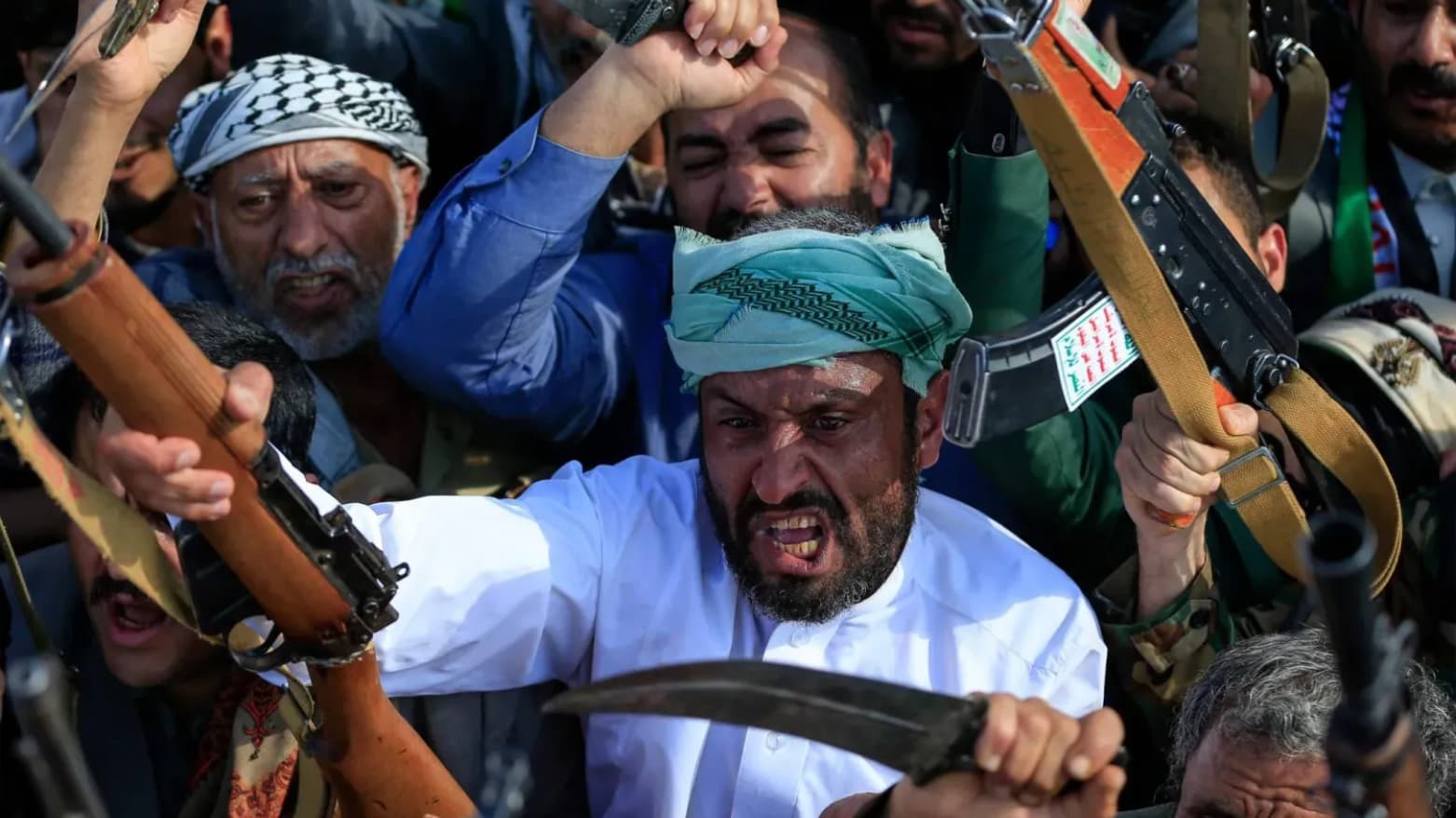
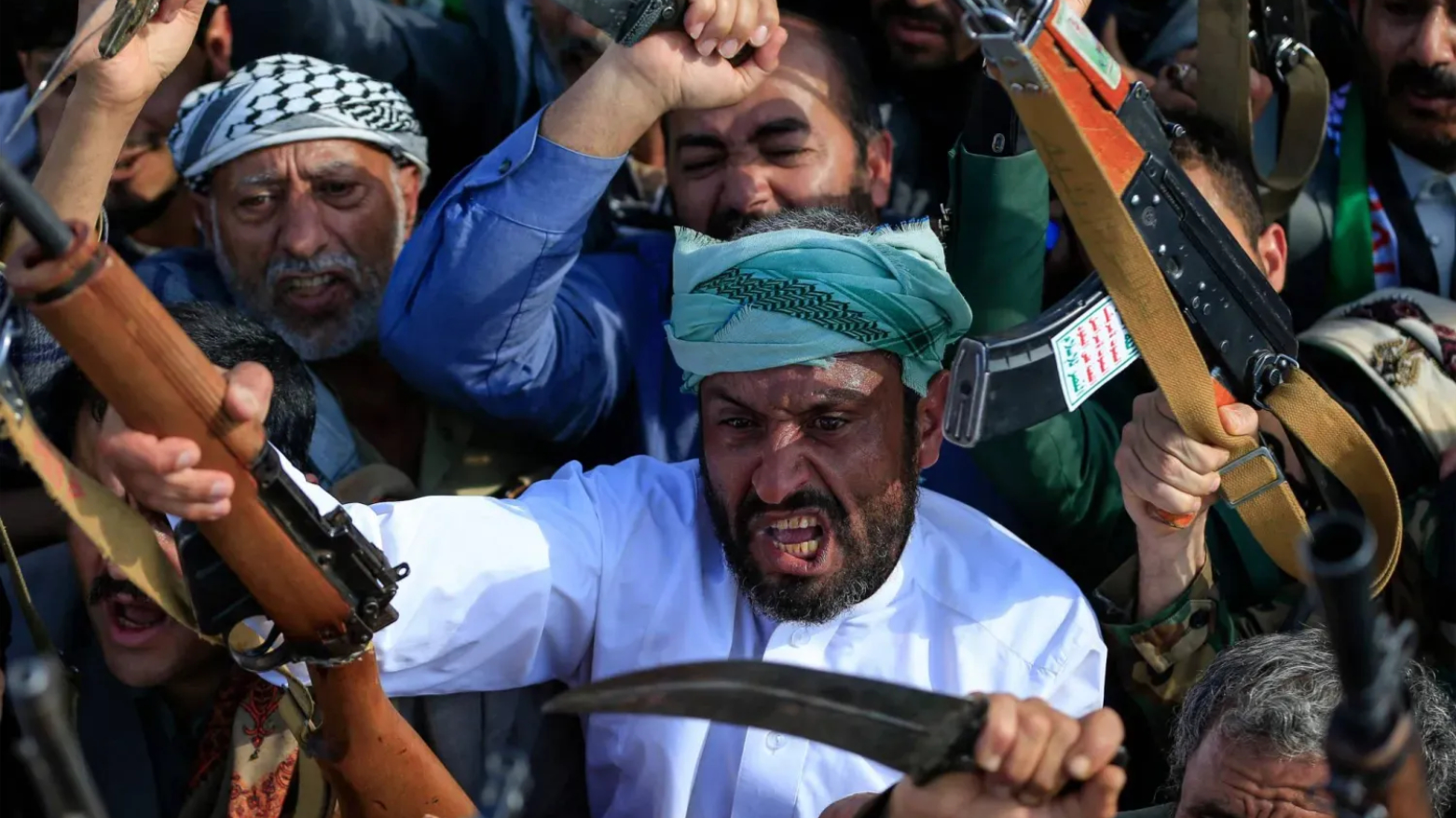
ERBIL () - Abdul-Malik al-Houthi, leader of Yemen's Houthi movement, said Thursday that his forces consider Saudi military bases and energy infrastructure legitimate targets, arguing that cross-border strikes would continue as long as Saudi military operations and restrictions on Yemen persist.
In a statement, al-Houthi said attacks inside Saudi Arabia had focused on military and air bases as well as the kingdom's oil sector, which he described as a principal source of financing for Saudi military operations against Yemen.
He said the group's conditions for ending the confrontation were a halt to Saudi attacks, the lifting of what the Houthis describe as a blockade, and allowing Yemenis to benefit from their country's national resources.
Those statements reflect the Houthi position; Saudi Arabia's response to al-Houthi's latest remarks was not included in the supplied reporting.
Al-Houthi also addressed residents of southern and eastern Yemen, saying civilians would not be deliberately targeted and that Houthi operations were directed at military installations and concentrations of Saudi-supported forces.
He rejected accusations that the group had targeted Mecca, calling such claims a fabrication and saying Yemenis remained committed to protecting Islamic holy sites.
The comments come as fighting in Yemen and attacks affecting Saudi interests intensify.
Agence France-Presse correspondent W.G. Dunlop reported that Washington on Thursday approved a proposed $24.3 billion sale of 48 F-35 stealth fighters to Saudi Arabia, subject to congressional approval.
The US State Department said the aircraft would strengthen Saudi homeland defense and improve interoperability with American forces.
The Saudi Embassy in Washington welcomed the proposed transaction, saying it reflected the strength of the US-Saudi relationship and would contribute to shared security interests.
AFP reported that Saudi Arabia has faced missile and drone attacks from Yemen's Houthis as fighting that had remained largely subdued for years reignited in July.
Washington has not directly entered the renewed Saudi-Houthi fighting, but an American official told AFP that a US military task force was assisting Riyadh with intelligence-sharing and planning.
The military escalation has also produced a growing humanitarian impact inside Yemen.
Associated Press correspondent Fatma Khaled reported that at least 125,000 people have fled their homes during the latest Houthi advances along Yemen's Red Sea coast.
According to the UN humanitarian office, eight civilians have been killed and 32 wounded in the renewed fighting. UNICEF says more than 57,000 of those displaced are children.
The movement's advance toward the Bab el-Mandeb area has also raised concern over shipping and Saudi oil exports.
Families interviewed by AP described fleeing on foot through mountainous terrain, sometimes with little food, water or shelter available after reaching safer areas.
The renewed fighting follows years of relative calm after a 2022 truce largely froze major front lines.
Yemen's civil war began in 2014 when the Houthis seized Sanaa and large areas of northern Yemen. Saudi Arabia intervened militarily the following year in support of the internationally recognized government.
The conflict is unfolding alongside wider instability in regional waterways.
In a separate report, The Associated Press said Iran claimed Friday to have struck the Togo-flagged oil tanker Trend in the Strait of Hormuz over what Tehran described as an unauthorized attempt to transit the waterway. AP said it could not independently confirm the Iranian account.
South Korea has meanwhile said it is considering expanding the mission of its naval unit in the Gulf of Aden to protect commercial shipping and oil routes, while ruling out direct involvement in the Iran war.
Against that increasingly volatile regional backdrop, al-Houthi's statement signals that Saudi military and energy infrastructure will remain central to the group's strategy.
His stated conditions also suggest no immediate de-escalation: the Houthis say attacks will continue until Saudi military operations stop, restrictions on Yemen are lifted and the country gains greater access to its own resources.
For civilians inside Yemen, however, the widening confrontation is already producing another cycle of displacement in a country still carrying the consequences of more than a decade of war.