
ERBIL () — Oil prices rose sharply on Monday after US President Donald Trump rejected an Iranian proposal for a seven-day truce, reviving concerns over inflation and the potential disruption of global energy supplies.
Iran presented the proposal at the United Nations General Assembly last week, offering a temporary halt in hostilities that would include reopening the Strait of Hormuz, a move that could ease a severe supply crisis that has driven up energy and other costs worldwide.
The Strait of Hormuz is a critical route for global energy shipments and has become a central flashpoint in the conflict between the United States and Iran.
The situation has been further complicated by the Houthis' control of Yemen's Red Sea coast, including the Bab al-Mandab Strait, another major international shipping route.
Trump told reporters outside the White House that he rejected Tehran's proposal, while indicating that negotiations could resume.
"They want to make a deal, but it is not the deal that I want to make,"Trump told Axios. "It is what we would have maybe agreed to a year ago."
"They overplayed their hand,"he added in an interview published Sunday.
Citing people familiar with the matter, Axios reported that indirect talks between Washington and Tehran could begin as early as Monday.
Iran, meanwhile, has maintained its conditions for reopening the Strait of Hormuz, including the release of frozen Iranian assets, the lifting of US sanctions on its oil sector and an end to the US naval blockade.
Oil prices had fallen by more than two percent on Friday following news of Iran's truce proposal, but reversed course at the start of the new week.
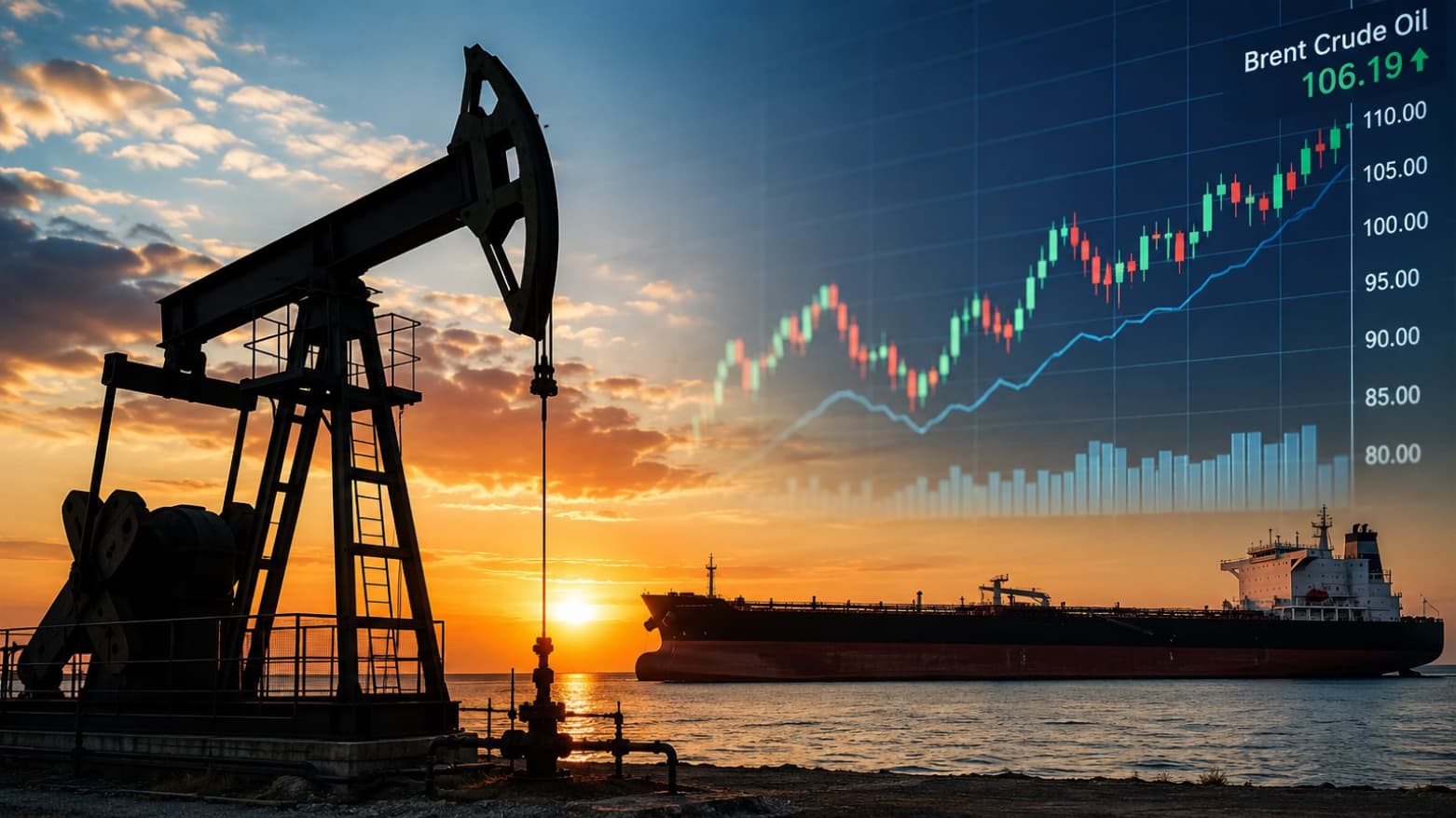
Brent crude rose 1.8 percent to $106.19 a barrel, while West Texas Intermediate gained 1.0 percent to $93.34.
The renewed rise in oil prices fueled concerns about inflation and put pressure on equity markets across Asia. South Korea's Kospi fell more than two percent after reopening following a long holiday, while markets in Tokyo, Shanghai, Manila, Bangkok and Jakarta also declined.
Hong Kong, Sydney, Singapore and Wellington recorded gains.
Bond yields also moved higher, with the average yield on a gauge of global bonds surpassing four percent last week for the first time since 2007, according to Bloomberg.
The renewed inflation pressure has placed greater focus on the US Federal Reserve ahead of its next policy meeting at the end of October. The CME FedWatch tool indicated that markets were assigning a probability of more than 65 percent to a second consecutive interest-rate hike.
Investors are also awaiting the release of the Federal Reserve's preferred inflation measure this week, along with a key US jobs report that could influence policymakers' assessment of inflation and the broader economy.
"Middle East tensions have flared again after President Donald Trump rejected Iran's latest proposal to reopen the Strait of Hormuz,"Stephen Innes of Quintex Intel said.
"Oil has pushed higher, Asian equities are softer, and suddenly the brief Friday reprieve in global fixed income looks more like an intermission than the end of the show,"he added.
Innes said markets continued to assign some possibility to a return to negotiations, despite renewed tensions between Washington and Tehran.