ERBIL () - For Ferhat Baysal, bringing Kurdish into the age of artificial intelligence is not simply a software project. It is an effort to ensure that a language spoken by millions can be heard, written and used across technologies increasingly shaping everyday life.
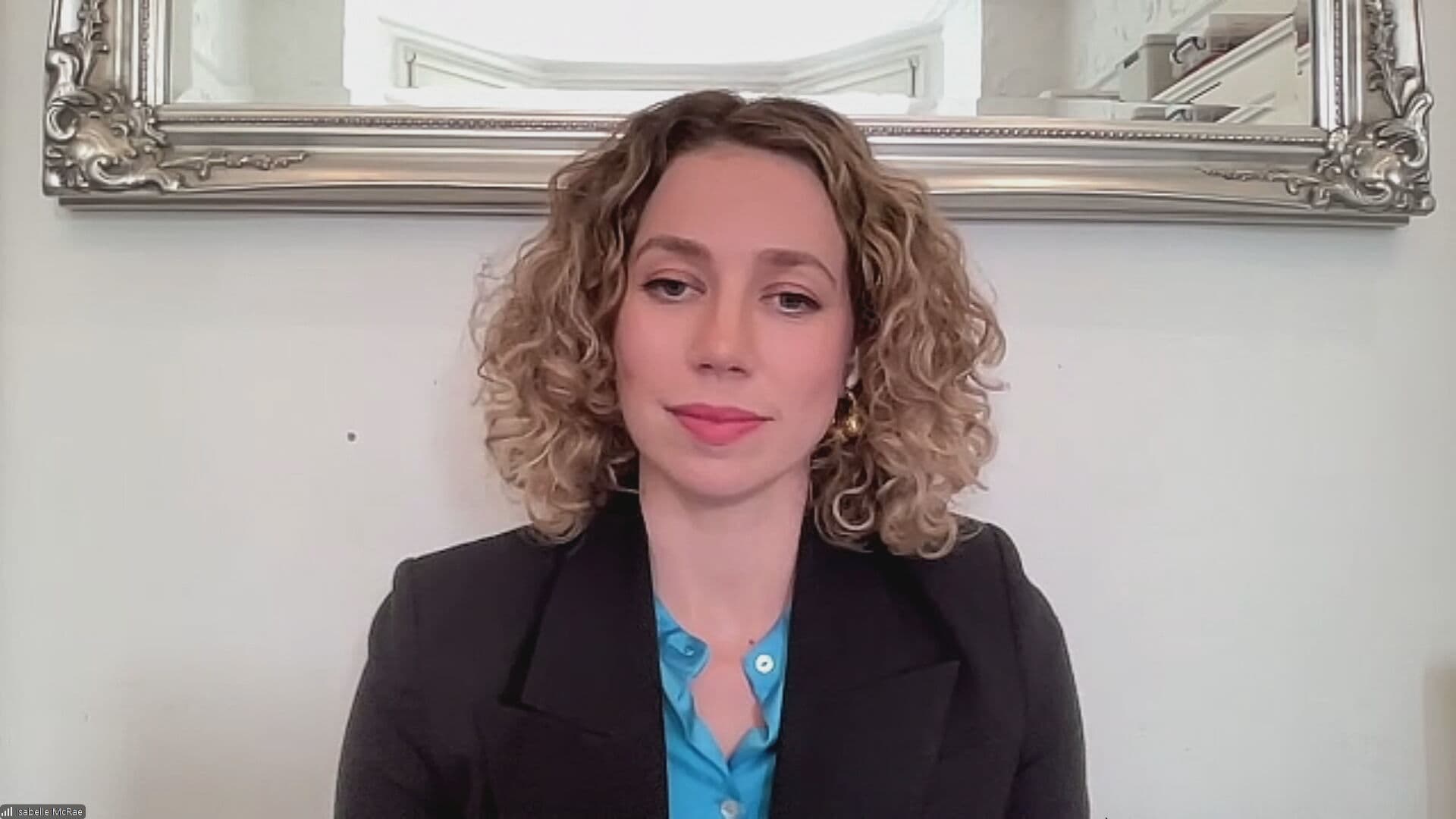
Baysal, an AI engineer at Switzerland-based Mazdek AI, told news anchor Hakar Neheli on Friday that the company has developed a platform built specifically around Kurdish language models, speech recognition and translation.
The company describes Mazdek AI as the first and largest independent artificial intelligence infrastructure developed for Kurdish and its dialects. According to Baysal, the platform supports Kurmanji, Sorani and Zazaki, using both Latin and Arabic-based scripts, with specialized models trained separately for different forms of Kurdish.
"It is extremely important for the Kurdish language to become a language of technology,"Baysal said.
He said the team spent a long period in Switzerland developing Kurdish large-language models, voice models and speech-to-text systems before making them available to users.
The project emerged from what Mazdek describes as a gap in mainstream technology. Although tens of millions of people speak and communicate in Kurdish, the company says the language remains absent or weakly supported in many major global technology products.
Baysal said Mazdek was designed to address that gap through tools capable of transcribing Kurdish audio and video, translating into more than 255 languages, separating speech from background noise and music, and automatically generating subtitles.
The system, according to Baysal, was trained using an audio archive of approximately 220 terabytes and contains more than 1,200 different voices. Those specifications are figures provided by the company.
During the interview, Baysal compared Mazdek with major international AI platforms including ChatGPT, Gemini and Claude, arguing that Kurdish voice and speech recognition remain insufficient on such systems.
"Mazdek AI is also intended to provide an answer to this issue,"he said.
According to Baysal, nearly 15,000 people had begun using the platform within several days, with the service also receiving considerable attention on social media.
One application he highlighted is real-time communication across languages. A Kurdish speaker in Mahabad, for example, could speak with a German speaker in Düsseldorf while Mazdek translates their conversation live, he said.
Users can also conduct research restricted to Kurdish-language websites. Baysal said the system can search Kurdish media and online sources, including, and retrieve information for users.
Other tools include image analysis and real-time spelling and grammar correction. Baysal said users writing in Sorani or Kurmanji can receive corrections while they type, with the platform also supporting Sorani written in Latin script.
Media organizations are another potential user base.
Baysal said television channels and content producers can use the platform for transcription and dubbing. Written Kurdish text can be converted into speech using voices available within the system, while journalists can upload recorded interviews and have them transcribed into Kurdish.
Mazdek can be accessed through its website as well as Android and iOS applications. Baysal said users can also reach its services directly through Telegram without installing the main application.
A free tier is available for students and general users, while Pro and Max packages offer additional services for people or institutions requiring greater usage.
Beyond its AI functions, Mazdek includes a social component intended to connect Kurdish speakers from different linguistic communities.
Baysal said Sorani and Kurmanji speakers can communicate with one another, exchange messages and learn Kurdish through online lessons. He described the service as broader than an AI application, presenting it as a technological space for Kurdish speakers in Kurdistan and the diaspora.
"We want the Kurdish language to become a language of technology and a language of the modern era,"he said.
The company also wants Mazdek to interact with larger AI ecosystems. Baysal said it has created a system through MCP that can allow platforms such as Claude and Gemini to connect with Mazdek and access its data, while the company hopes to develop formal relationships with major AI providers.
His ambitions extend beyond computers and smartphones.
Baysal said the long-term objective is to make Kurdish available in car navigation systems, household appliances and other machines, eventually allowing future robots and smart devices to communicate in Kurdish.
Some capabilities remain under development. Baysal said Mazdek is working on a video system expected to be introduced next month. Users would be able to upload videos, ask questions about their content, generate summaries and prepare material for social media. He also said Kurdish song-generation tools are planned.
On privacy, the company says user information is stored on servers in Europe, particularly Switzerland, is not sold and is not used for advertising.
For Neheli, the project reflects the wider potential of Kurdish professionals working in emerging technologies. Baysal, meanwhile, urged Kurdish speakers to use the platform, arguing that greater participation would help its models improve.
For Mazdek, the ambition goes beyond creating another AI application. Baysal wants Kurdish to have a place in the technological systems that increasingly determine how people speak, search, learn and communicate, and, eventually, how they interact with machines.