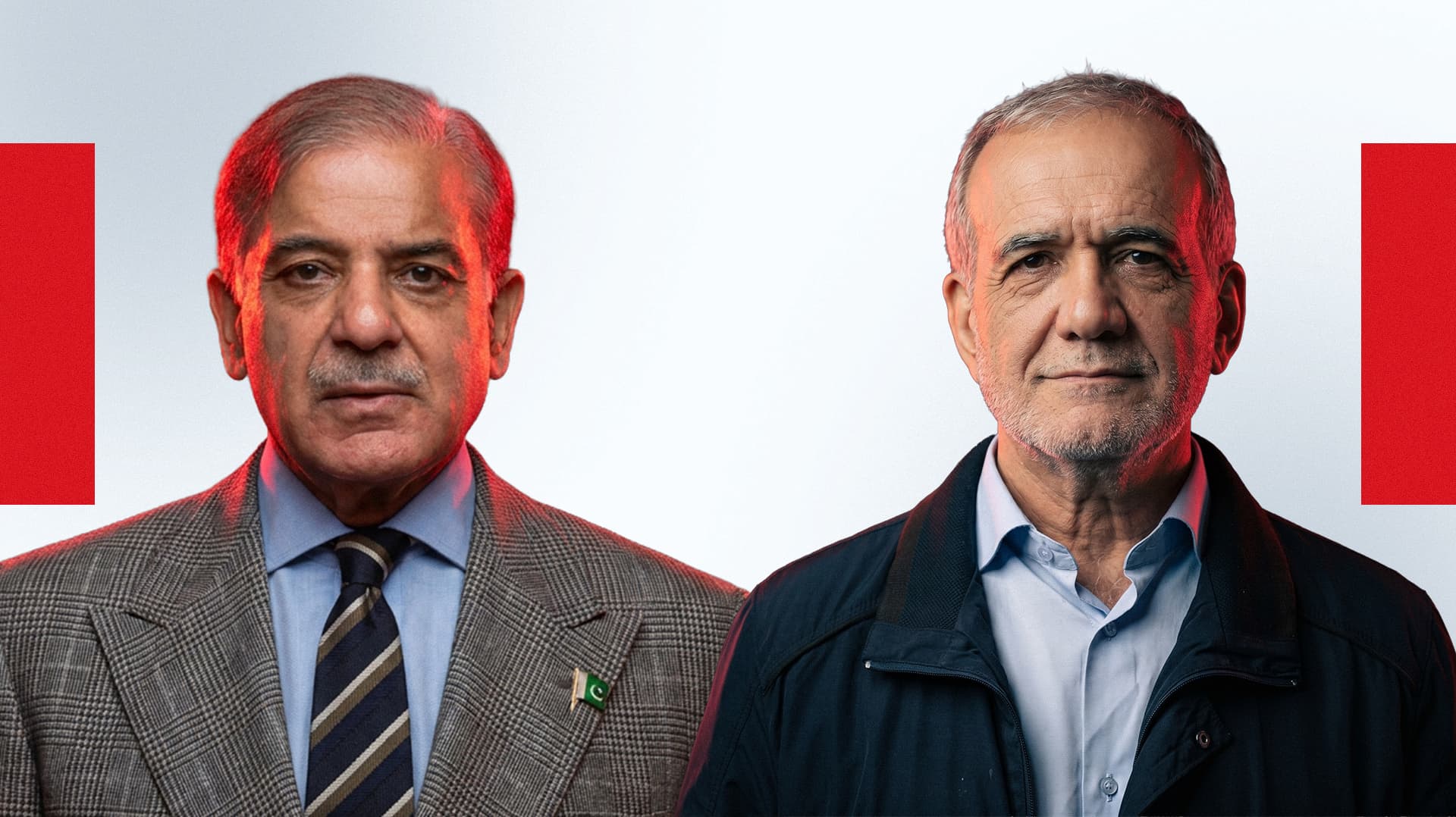
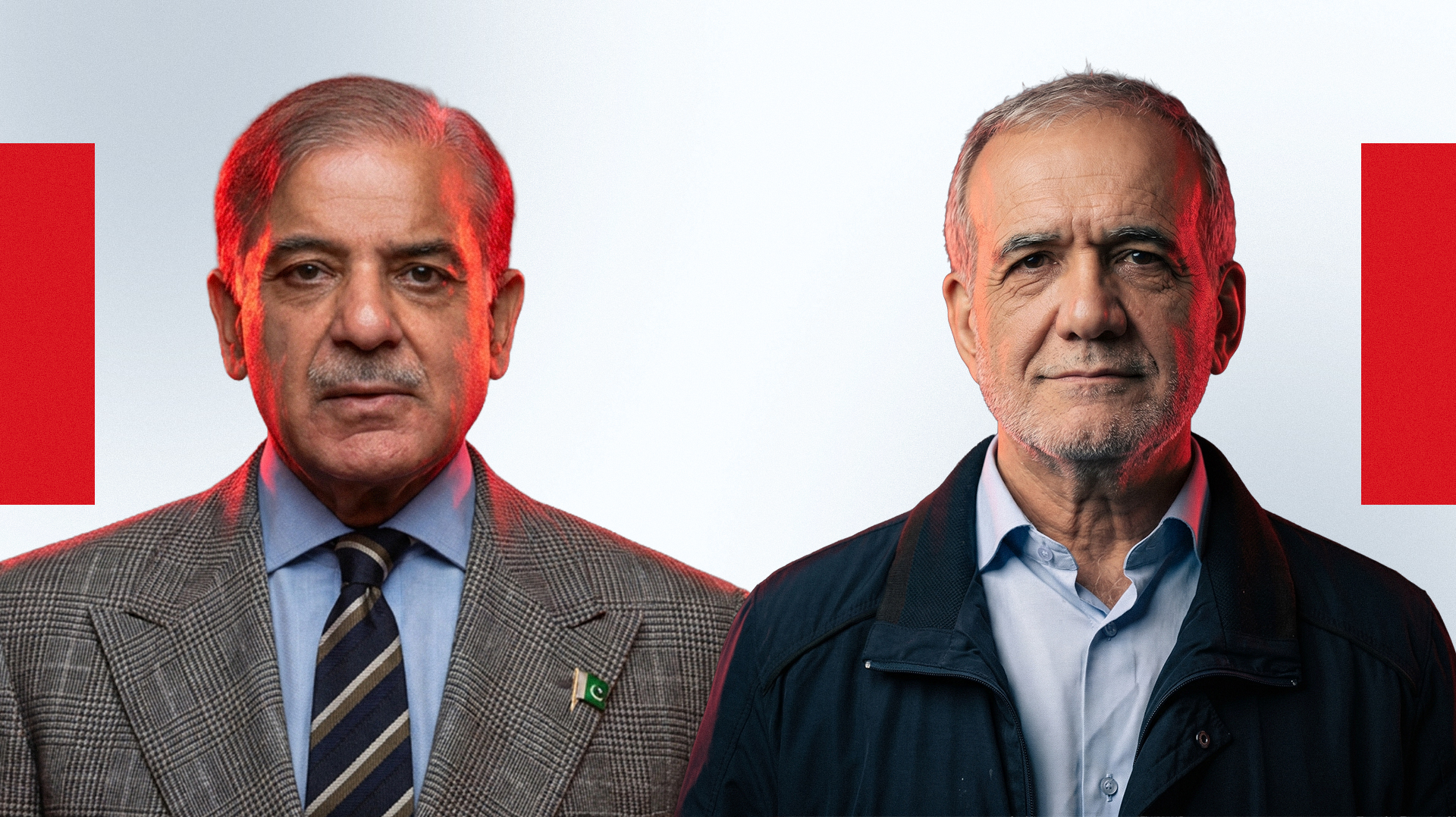
ERBIL () - Iranian President Masoud Pezeshkian has welcomed Chinese President Xi Jinping’s support for resolving disputes through diplomacy and said Tehran is ready to return to the Islamabad understanding for substantive negotiations, while Pakistani Prime Minister Shehbaz Sharif praised US President Donald Trump’s intervention in the Pakistan-India tensions and declared the security of Mecca a red line.
The statements came Friday, as regional tensions and diplomatic efforts remained a focus of discussions involving Iran, Pakistan, Saudi Arabia and other international actors.
Pezeshkian praised China’s diplomatic efforts to address international disputes and expressed appreciation for what he described as Xi’s “wise and responsible” support for returning to the Islamabad understanding and resolving differences through dialogue and diplomacy.
In a message posted on his official account on X, Pezeshkian wrote: “I appreciate the wise and responsible support of Chinese President Xi Jinping for returning to the Islamabad understanding and resolving differences through dialogue and diplomacy.”
The Iranian president said Tehran agreed with the approach and stressed the importance of returning to the understanding reached previously.
He said the commitments already agreed upon should be respected and that suitable conditions should be created for serious, fundamental and productive negotiations to move forward.
In a separate development, Pakistani Prime Minister Shehbaz Sharif praised Trump’s leadership during his address to the 81st session of the UN General Assembly in New York.
Addressing tensions with India, Sharif said the two nuclear-armed neighbors had been on the brink of a full-scale war a year earlier, but that Trump’s swift intervention and leadership had prevented a wider conflict and saved hundreds of millions of lives in South Asia.
“A year ago, the two neighboring nuclear-armed countries were on the brink of a full-scale war, but Donald Trump’s swift intervention and decisive leadership saved hundreds of millions of lives in South Asia,” Sharif said.
Sharif described the Kashmir issue as Pakistan’s “jugular vein” and said Islamabad would continue to support the people of Kashmir through diplomatic, political and moral means until they were granted the right to self-determination.
He also accused the United Nations of failing over eight decades to fulfill its commitments regarding a free and impartial referendum in Kashmir.
Sharif said residents had faced what he described as detention, extrajudicial killings and demographic changes.
Sharif strongly condemned Houthi attacks against Saudi Arabia, particularly attempts to target Mecca, and described the security and sanctity of the two holy mosques as a red line.
“The security and sanctity of the Two Holy Mosques is a red line and can never be violated. Pakistan fully supports the people and government of Saudi Arabia,” Sharif said.
He also referred to the joint “Mecca” defense agreement between Pakistan, Türkiye and Saudi Arabia, stressing that the alliance was not directed against any state but was intended to protect regional stability.
Sharif called for the Strait of Hormuz and Bab al-Mandab to remain open as vital arteries of the global economy and said they should not become arenas for war and confrontation.
Sharif said Pakistan, through continued efforts by its military leadership, had succeeded in bringing US and Iranian representatives together in Islamabad.
He described the Islamabad talks and the signing of a memorandum of understanding between the two countries as a historic step toward easing and ending a dangerous regional crisis.
The Pakistani prime minister said Islamabad had made peace a priority in its foreign policy.
“Pakistan has made its choice clear; we have chosen dialogue instead of confrontation, cooperation instead of coercion, and peace instead of war,” Sharif said.
During his address, Sharif also expressed deep concern over what he described as the growing phenomenon of Islamophobia, including hate speech against Muslims, attacks on mosques and the desecration of the Quran.
He strongly criticized India and said the ideology of the Rashtriya Swayamsevak Sangh (RSS) was fueling religious hatred, which he said had contributed to attacks and killings, sectarian violence, attacks on places of worship and restrictions on religious freedoms.
Turning to Afghanistan, Sharif called on the Taliban to fully respect the fundamental rights of the Afghan people under all circumstances, particularly the rights of women and girls.
On security, he warned that armed groups receiving funding from abroad had found safe havens inside Afghanistan with the aim of undermining Pakistan’s stability.
“Armed groups funded from abroad have found safe havens inside Afghanistan with the aim of disrupting Pakistan’s stability. All attacks and infiltrations originating from Afghan territory must be stopped once and for all,” Sharif said.
He called on Afghanistan’s de facto authorities to take practical and verifiable steps to ensure that Afghan territory would not again be used against Pakistan or any other country.