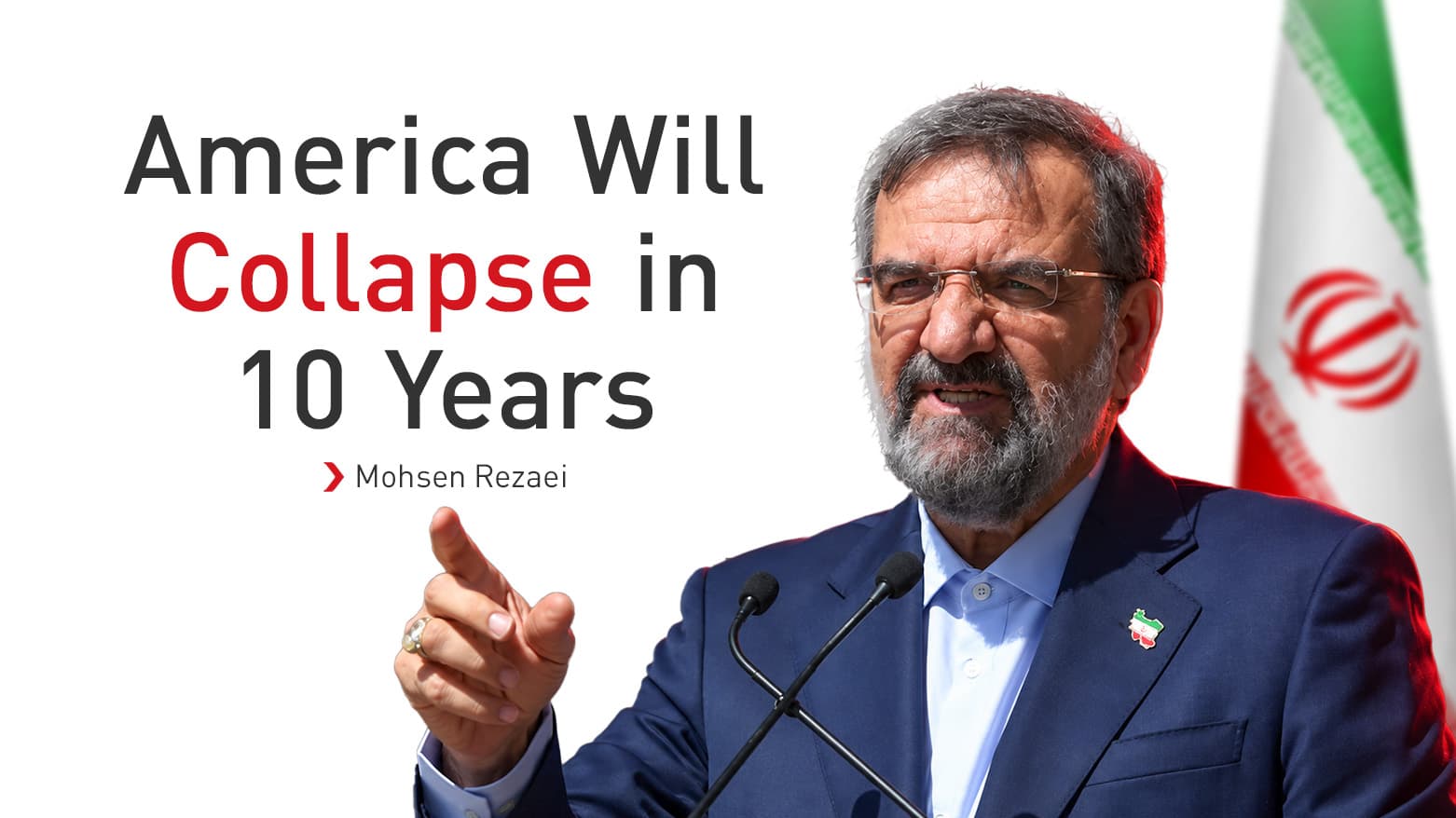
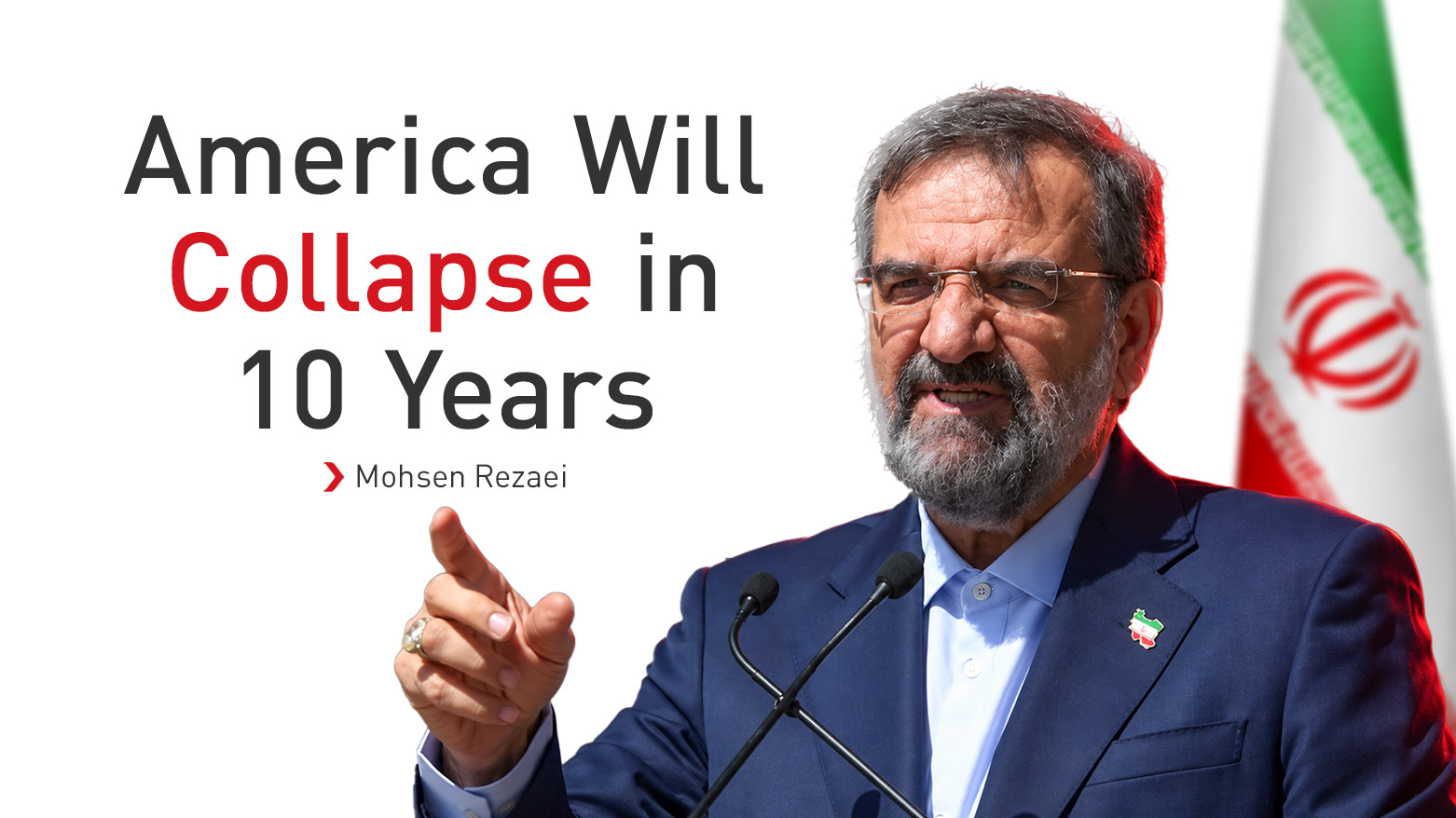
ERBIL () - Iran's Supreme National Security Council Secretary Mohsen Rezaei issued a sweeping vision for a post-American Gulf order on Sunday declaring that the United States and President Trump will leave the region, that the American economy is on a path toward collapse within ten years, and that Iran and the Arab countries of the Gulf must build their own security architecture, economic cooperation pact, single currency, and common market as a Persian Gulf family of eight nations.
"America and Trump will leave. Everyone knows that the American economy is, in reality, on a path toward collapse. Within the next 10 years, America will not be as it is today,"Rezaei said, framing American regional dominance as a temporary condition rather than a permanent strategic reality.
He then pivoted to a vision of regional self-determination that places Iran and the Gulf Arab states in the same cooperative framework. "But we and the Arab countries will remain. We are the ones who must fix the region. We must establish security in the Persian Gulf. We must create a pact for economic cooperation and be friends together in the region,"he said.
Rezaei extended the vision to its most ambitious institutional expression. "We are one family, the Persian Gulf family. We are eight countries, and we must focus on reconstruction and economic development, cooperate with one another, participate in each other's investments, and even have a single currency and a single common market,"he said.
The statement is remarkable for its timing, its audience, and its framing. Rezaei delivered it on the same day that Iran's seven conditions were transmitted through Qatar, that US embassies issued simultaneous security warnings across the Middle East, and that President Trump returned to the White House unexpectedly as the conflict approaches what multiple indicators suggest is an imminent inflection point. Rezaei's vision of Gulf unity under an Iranian-Arab cooperative framework, delivered amid an active war with the United States, is simultaneously a diplomatic overture to the Gulf states and a strategic argument that their long-term interests lie with Tehran rather than with Washington.
The framing of the Gulf as a family of eight nations is a deliberate echo of the Gulf Cooperation Council's six-member architecture, expanded to include Iran and Iraq, and presented as a natural regional order that American military presence has disrupted rather than created. By describing the American economy as on a path toward collapse and American regional dominance as temporary, Rezaei is making the case to Saudi Arabia, the UAE, Qatar, Kuwait, Bahrain, and Oman that the security guarantees Washington offers are finite and that the relationships they build with Tehran now will outlast any American administration.
The statement arrives as the UAE Crown Prince met Iranian President Pezeshkian at the BRICS summit on September 13, the first senior Gulf-Iran meeting since the war began. Qatar has been serving as the channel for Iran's seven conditions to Washington. Oman has been negotiating the Hormuz corridor framework with Tehran. The Gulf states' simultaneous maintenance of American security partnerships and active diplomatic engagement with Iran is exactly the balancing act that Rezaei's Sunday statement is designed to tilt toward the Tehran side.