ERBIL () — Oman has postponed a planned meeting between Iran and Gulf countries on the future of the Strait of Hormuz, a major flashpoint in the ongoing Middle East war and a critical route for global oil and gas shipments.
The meeting had been scheduled for Monday in Salalah, southern Oman, after Iran said regional countries would gather under Omani auspices to discuss arrangements for the strategic waterway.
Tehran said Iraq and Gulf countries would participate, but did not specify which Gulf states would attend. No regional country had publicly confirmed its participation, while Bahrain had ruled out attending the meeting.
“It has been decided to postpone to a later date the regional meeting that was to be held on Monday in Salalah, in order to create conditions conducive to a constructive dialogue,” Oman News Agency reported late Sunday.
Omani Foreign Minister Badr Albusaidi said on X that Muscat remained committed to diplomatic efforts.
“We remain determined to promote dialogue that contributes to stability and lasting cooperation in our region,” Albusaidi said.
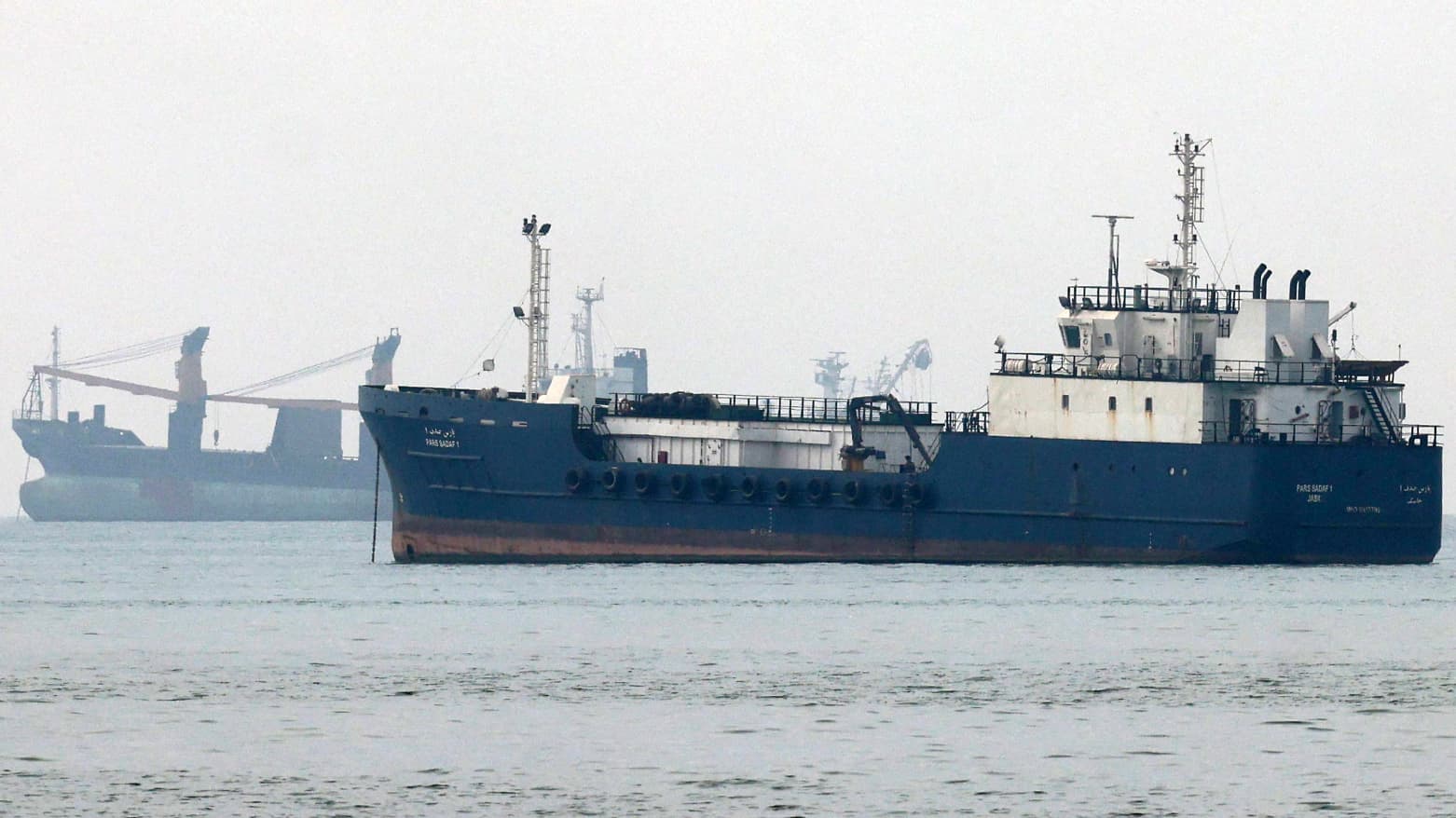
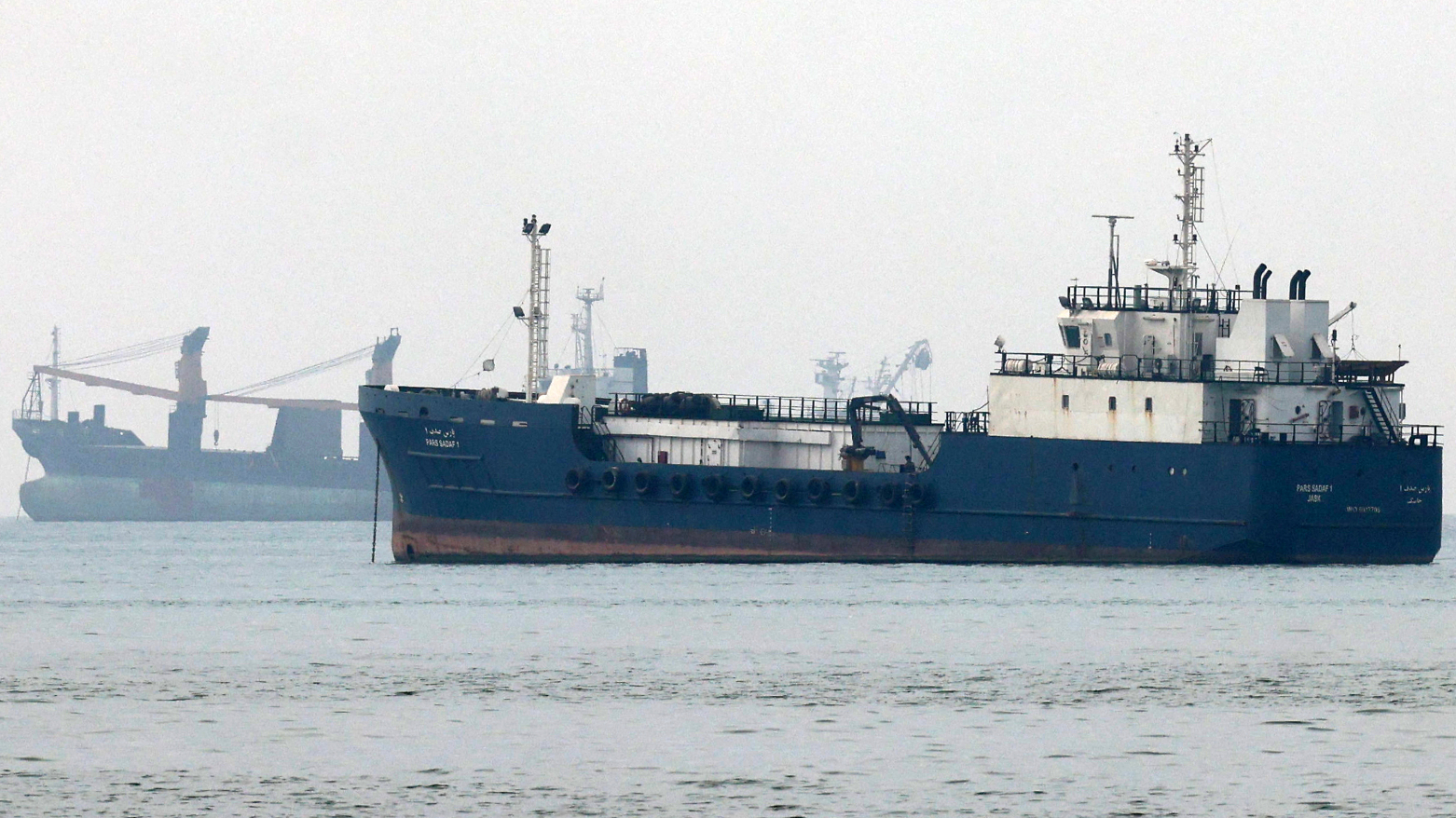
The postponement comes as the Strait of Hormuz remains at the center of a broader confrontation involving Iran, the United States and regional actors.
The waterway has faced an Iranian blockade and subsequent US efforts to challenge Tehran’s control since February 28, when the United States and Israel launched strikes against Iran, triggering a wider regional conflict.
US President Donald Trump said earlier on Sunday that he does not “care” about a planned meeting between Iran and Gulf states in Oman to discuss security and the Strait of Hormuz, as Washington and Tehran remain locked in an escalating conflict over the strategic waterway.
“I don't care. That's up to them,” Trump told reporters during a visit to Ireland when asked about the meeting
Before the war, the Strait of Hormuz was open to commercial transit. Iran has since required vessels to obtain permission to pass through the waterway and has been considering a mechanism to impose service fees on ships using the route.
Vessels that fail to comply with Iranian requirements have increasingly faced attacks, while the United States has periodically conducted strikes along the Iranian coastline in an effort to challenge Tehran’s control over the strait.
Oman and Iran have held discussions for several weeks over how to manage the strategic waterway and reduce the risks to commercial shipping.
The dispute over Hormuz has also complicated efforts to reach a broader understanding between Washington and Tehran. A June accord between the two sides faltered amid disagreements over the future of the strait.
At the same time, an intensifying offensive by Yemen’s Iran-aligned Houthis has increased pressure on another vital maritime route, the Bab al-Mandab Strait, giving Tehran’s regional allies additional leverage over shipping routes linking the Red Sea with the Gulf of Aden.
More than six months into the war, disruptions around the Strait of Hormuz have continued to affect global energy markets. Oil prices surged above $100 a barrel this week as traders assessed the risks to crude and gas supplies passing through the waterway.
The postponement of the Salalah meeting leaves regional efforts to establish a framework for maritime transit unresolved, with Oman continuing to position itself as a mediator between Iran and Gulf states.