ERBIL () — The Kurdish lawik “Ganj Khalil” – a traditional style of elegiac folk song in Kurdish culture – is more than a piece of folklore. It tells a tragic historical love story of devotion and sacrifice that has survived through generations, most notably through the voice of renowned Kurdish singer Kawes Agha.
On Sunday, Gabriel Michael shed light on the story behind the famous lawik, drawing on material he documented in the 1990s, including a significant portion of the lawik performed by Kawes Agha.
According to Michael, Ganj Khalil was not simply a fictional character in folklore, but a handsome, brave, and prominent horseman. Historical and oral accounts differ over his origins, with some tracing him to the Sinjar district and others saying he was from the vicinity of Tal Afar.
The story took a tragic turn when Ganj Khalil contracted a deadly epidemic. Fearing that the disease could spread to his relatives and companions, those around him isolated him in a special tent and prohibited anyone from approaching.
But a Kurdish woman named Hafsat refused to leave him.
According to old accounts cited by Michael, Hafsat was the daughter of an emir and had fallen in love with Ganj Khalil because of his beauty and bravery. Other accounts identify her as the daughter of a religious leader.
Regardless of the differing accounts of her background, the story consistently portrays Hafsat as remaining beside Ganj Khalil's tent day and night, caring for him during his final and painful days.
Ganj Khalil eventually died from the disease, leaving Hafsat devastated. In her grief, she mourned his beauty, bravery, and character through lamentation in the traditional lawik form.
Her lament was later preserved as an enduring work of Kurdish folklore and became widely known through the powerful voice of Kawes Agha.
In one section, Hafsat mourns Ganj Khalil and imagines preparing herself and her cousin for a journey to Damascus, invoking horses, spears, traditional clothing, daggers, and swords.
In another passage, she describes preparing Ganj Khalil's horse, imagining a richly decorated saddle, stirrups from Erzincan, reins from Hamadan, and a whip made from wolf skin before taking him to the marketplace of Damascus.
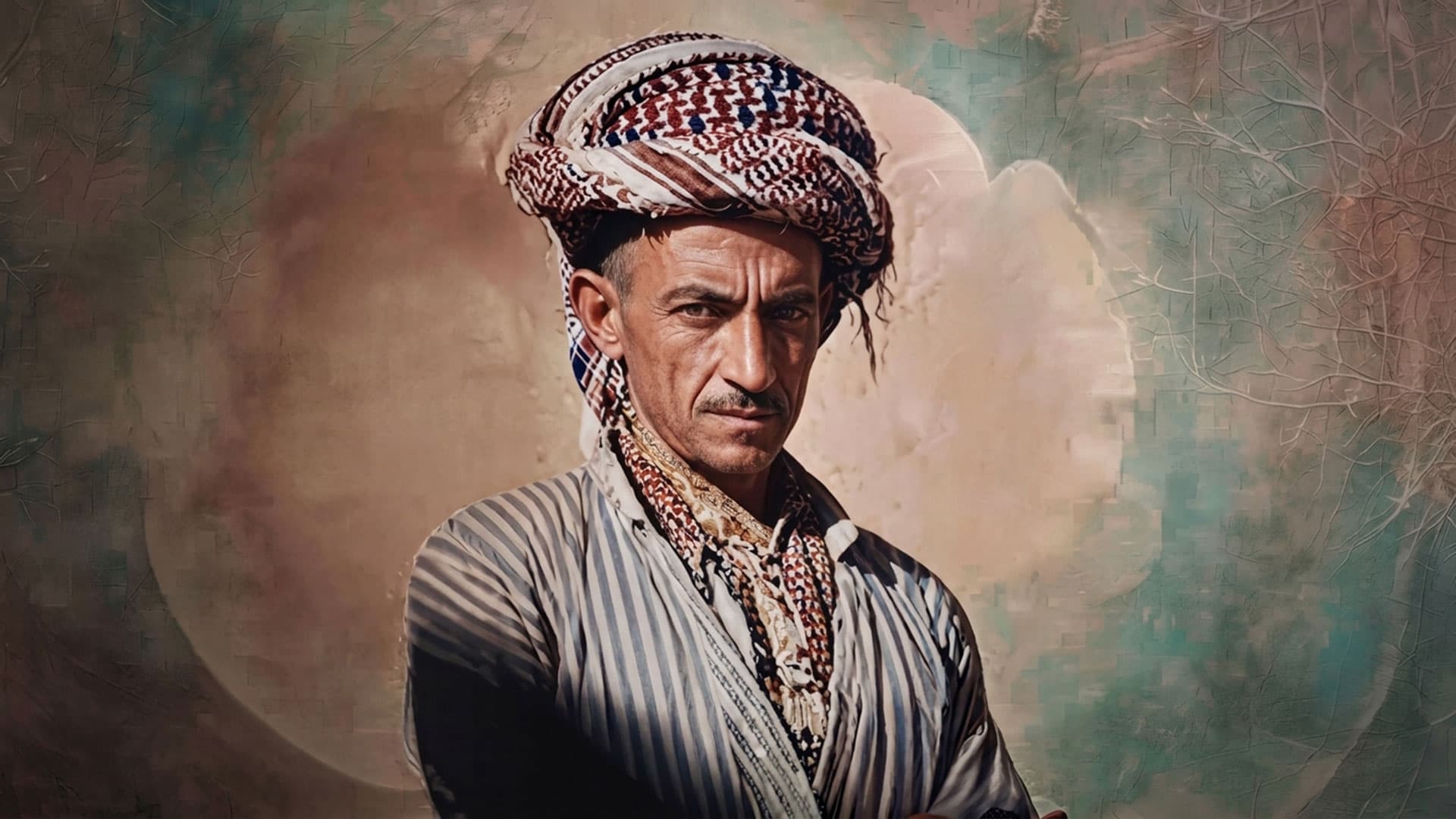
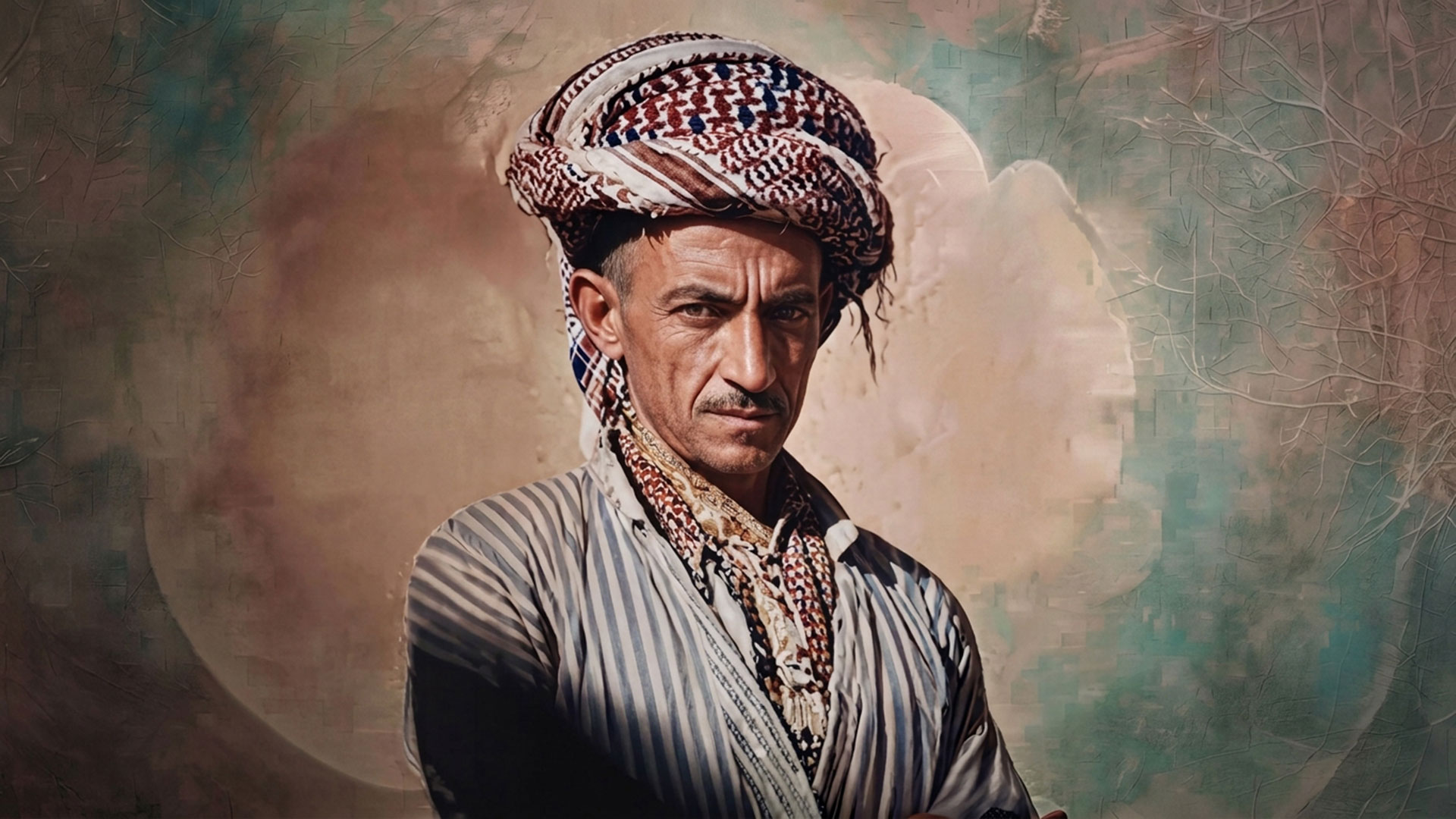
Kawes Agha, whose real name was Kak Ways, was born in 1889 in the Çarçel highlands, located in Hakkari province in Western Kurdistan (southeastern Turkey).
He grew up in the mountainous areas of Kurdistan, including Targawar, Margawar, Dashtabil, Dashti Brandez, Hawar Khatun, Hawar Mamz, Mergamir, and Mergazar.
Kawes Agha died in 1936, leaving behind a body of traditional Kurdish songs that helped preserve stories such as “Ganj Khalil” for later generations.