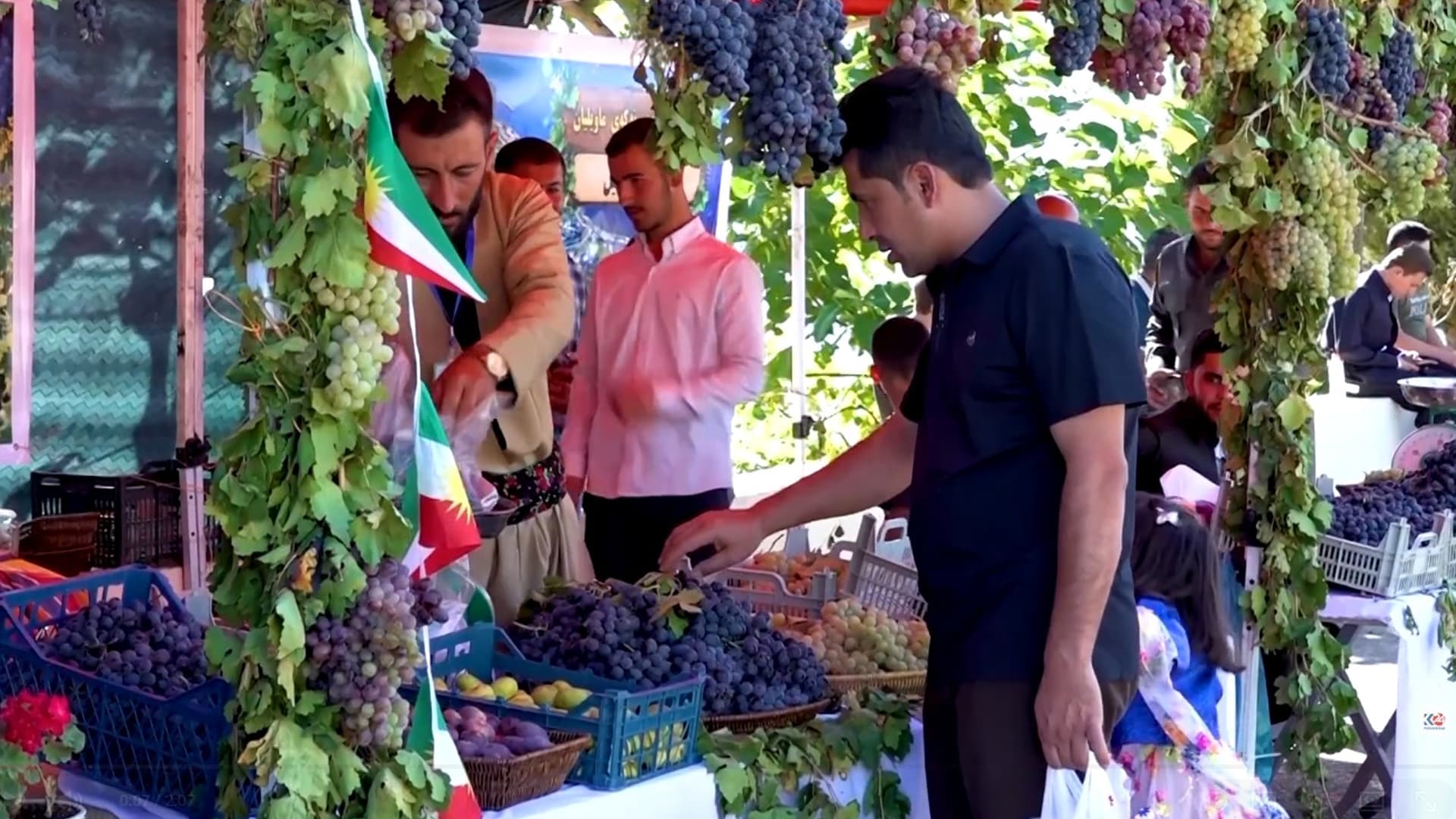
ERBIL () - Dozens of farmers and artisans have gathered in Rawanduz for a two-day festival showcasing locally grown grapes, honey, pomegranates, pistachios and handmade products, as organizers seek to connect agriculture more closely with tourism and provide producers with direct access to consumers.
The festival, organized jointly by the Rawanduz directorates of agriculture and tourism, brings together 44 local farmers and 20 artisans, creating a temporary marketplace for agricultural produce and handicrafts from the mountainous area.
Grapes are at the center of the event, with farmers presenting varieties cultivated in and around Rawanduz.
Mohammed Jamal, a local grape grower taking part in the festival, told that he brought several varieties to introduce visitors to the area's produce, particularly the well-known Rashmiri grape.
He described the variety as distinctive in taste, color and appearance and said it grows especially well in the Khanaqa Valley.
Beyond grapes, visitors can purchase honey, pomegranates, pistachios and other natural products, while women artisans are displaying locally made handicrafts.
Organizers said the broader objective is to create a link between Rawanduz's agricultural production and its tourism sector, giving farmers a direct market while allowing visitors to purchase local goods during trips to the area.
The Rawanduz initiative follows similar efforts elsewhere in the Kurdistan Region to give farmers greater visibility and strengthen local markets.
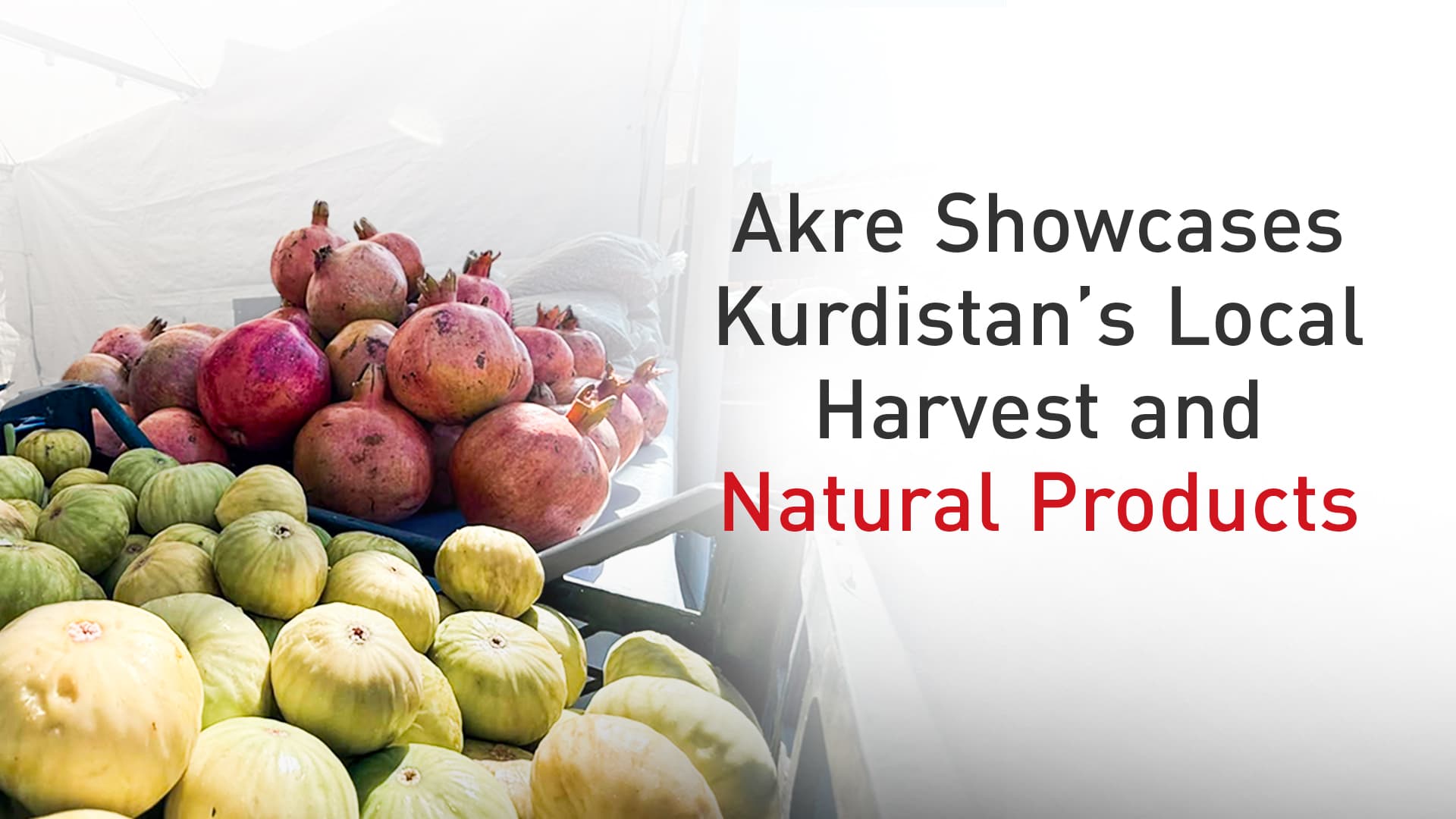
In Akre, a three-day Food and Natural Products Festival opened on Sept. 17, bringing together farmers and producers selling fruits, vegetables, honey and other locally produced goods.
Fazil Mustafa, Akre's director of agriculture and organizer of that festival, told that the event had expanded in its second year, offering a wider range of agricultural and natural products.
Organizers there also emphasized direct sales, giving farmers an opportunity to reach consumers without relying solely on conventional market channels.
That approach corresponds with the Kurdistan Regional Government's broader policy of treating agriculture as part of its economic diversification strategy.
Under the Ninth Cabinet, the KRG has sought to expand local agricultural production, strengthen food security, support farmers and reduce dependence on imported goods.
The government has also promoted exports when local production exceeds domestic demand and has expanded agricultural investment, greenhouses and cold-storage facilities.
Seasonal restrictions on certain agricultural imports have also been used to protect locally produced crops during harvest periods.
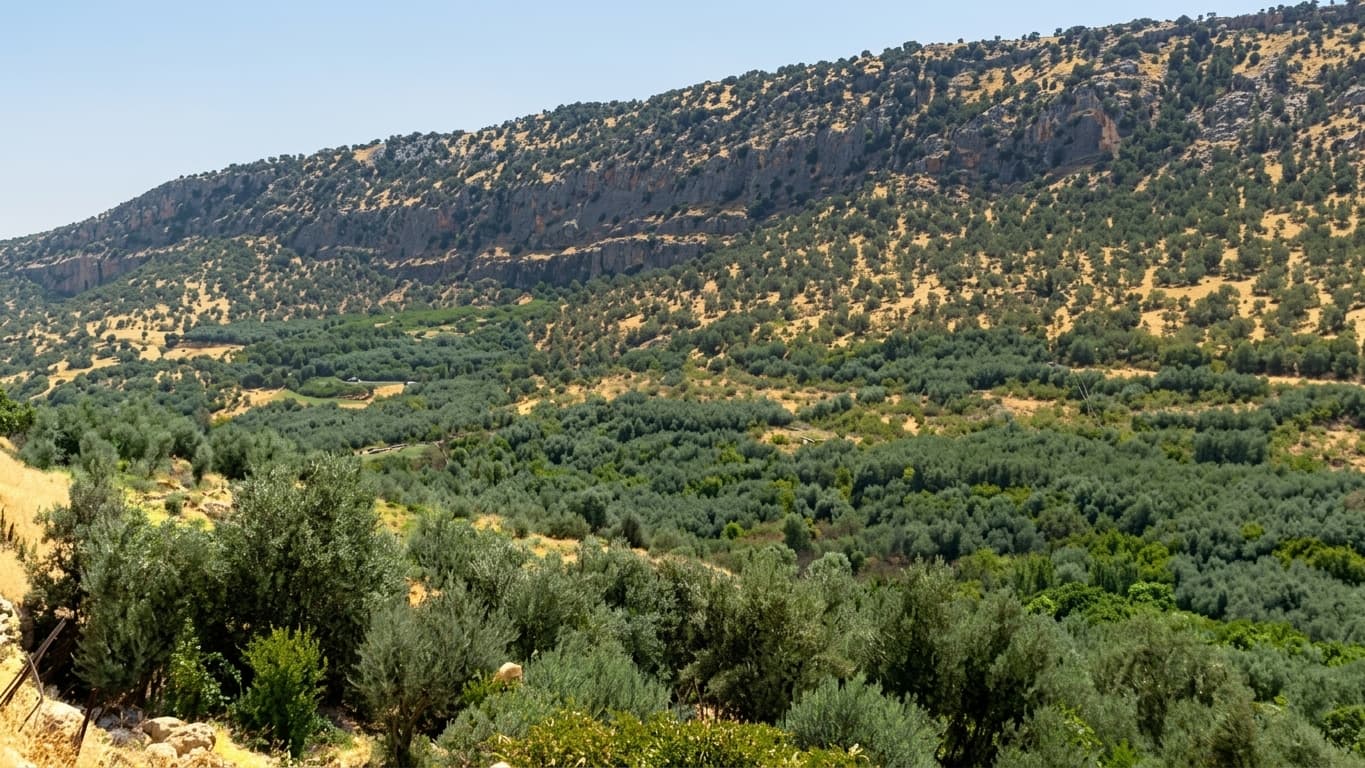
The importance of connecting production with markets is also visible in rural communities such as Dakan village in Shekhan district, where farmers produce more than 500 tons of olives annually.
Many of Dakan's olive trees are more than a century old, and farmers told that their produce is sold across the Kurdistan Region as well as in Baghdad, Basra and Mosul.
The harvest provides an important source of household income and demonstrates how traditional agricultural production can support rural economies when reliable markets are available.
Rawanduz's festival operates on the same basic principle but adds tourism as another route to consumers.
By bringing agricultural products, crafts and visitors together in one place, organizers aim to make local production part of the broader visitor experience while creating additional opportunities for farmers to sell what they grow.
For producers such as Jamal, the festival is also a chance to distinguish local varieties that may otherwise be little known outside their immediate growing areas.
The gathering therefore serves simultaneously as a marketplace, an agricultural showcase and a tourism event.
As similar festivals and direct-market initiatives expand across the Kurdistan Region, they are becoming one way of connecting rural production with consumers while strengthening the visibility of locally grown food and traditional crafts.