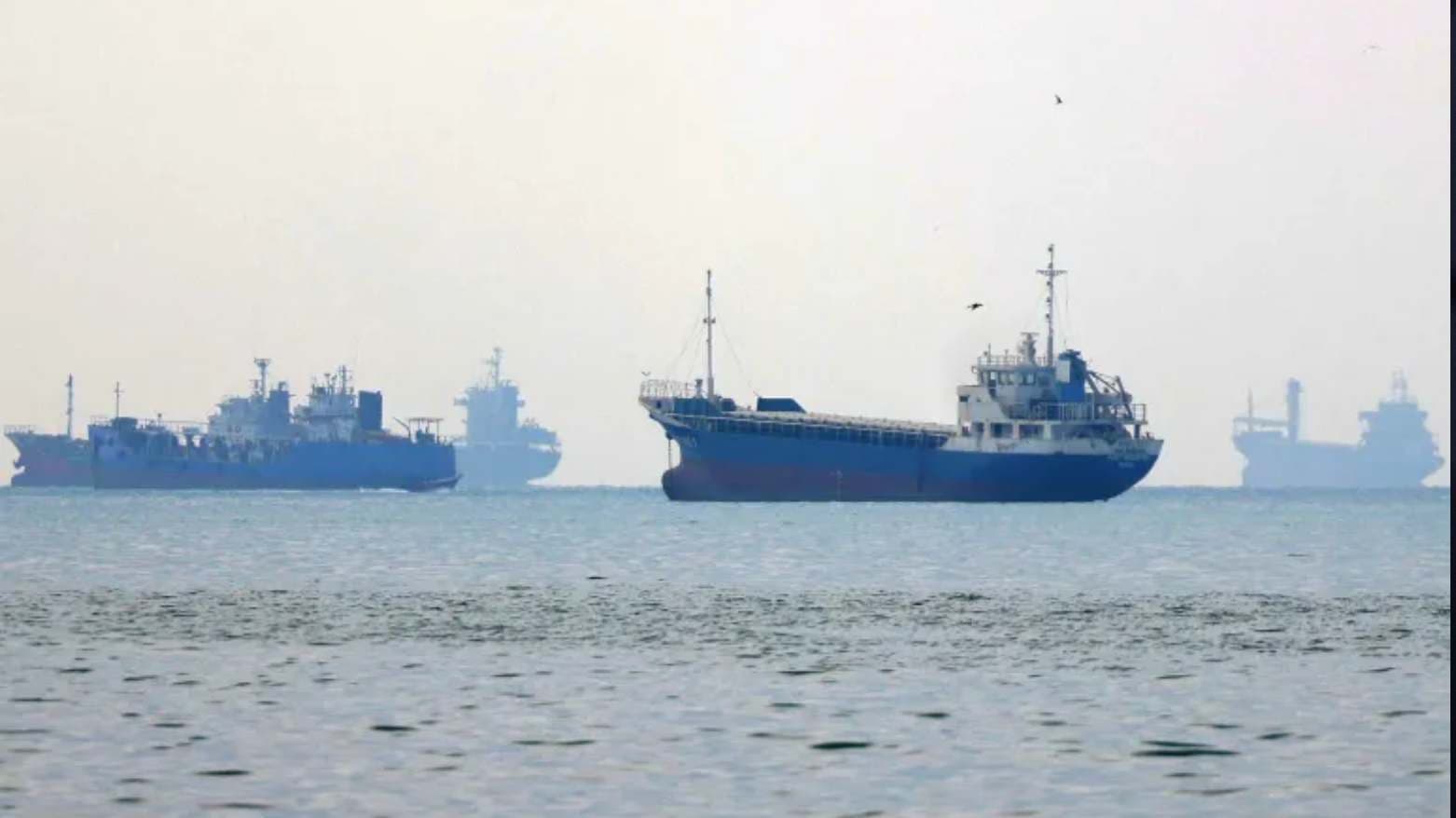
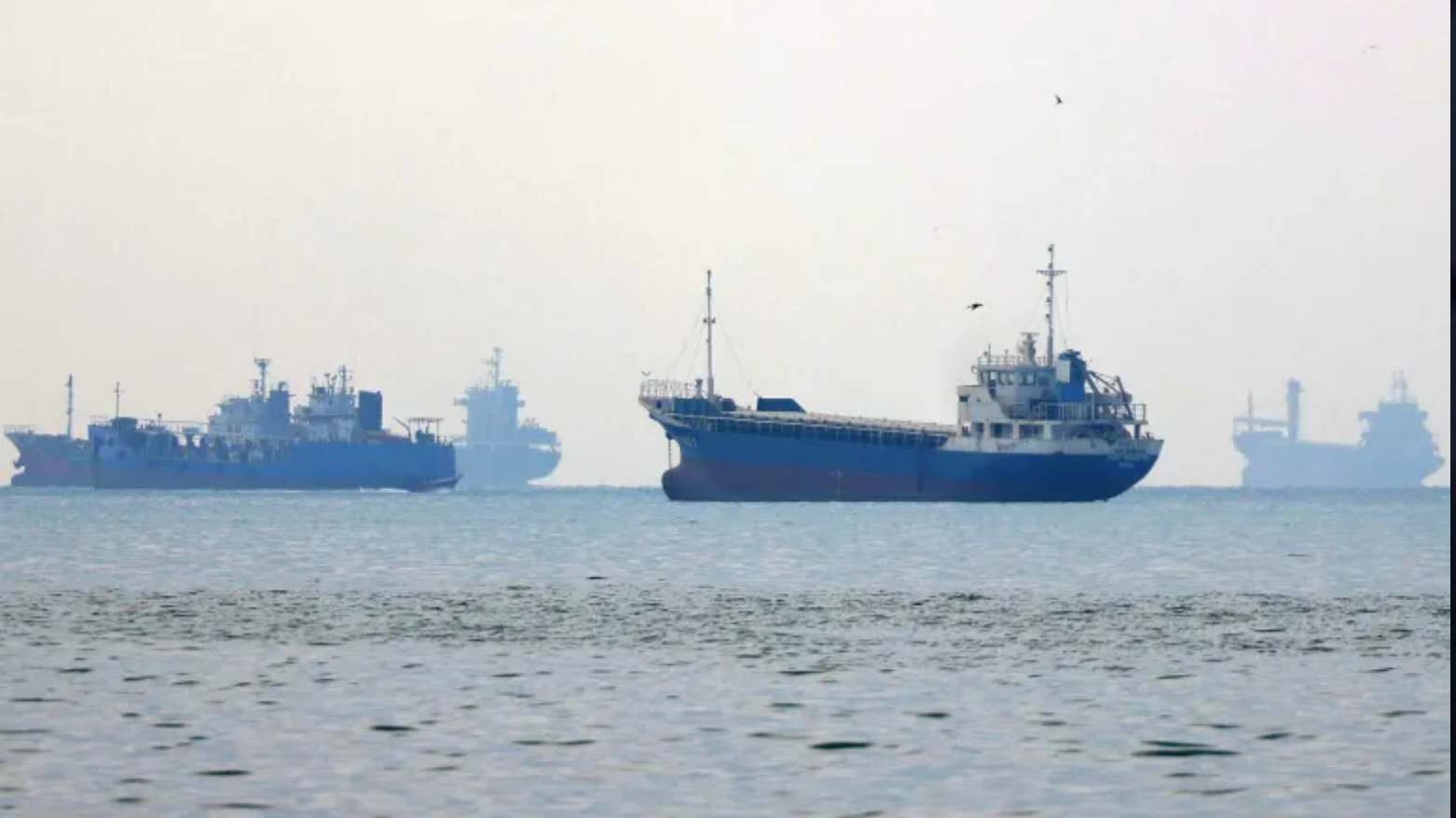
ERBIL () - More than 33 million barrels of crude oil have been shipped through the Strait of Hormuz since last Sunday, preliminary data from vessel-tracking company Kepler shows, indicating that export flows remain close to levels recorded the previous week.
According to Kepler’s vessel-tracking data, 19 tankers have carried oil through the waterway, including 17 very large crude carriers, each capable of transporting up to two million barrels of oil.
Most of the tankers were carrying Saudi crude, followed by Iraqi crude, according to the data.
Kepler data also showed that a total of 49.2 million barrels of crude oil passed through the Strait of Hormuz during the previous week.
A US official said nearly 60 commercial vessels of various sizes passed through the Strait of Hormuz on Wednesday, carrying the highest daily volume of oil since the beginning of July 2026.
The increased movement comes as Saudi oil giant Aramco has intensified exports through the Strait of Hormuz following the suspension of oil shipments from the Yanbu port on the Red Sea after attacks earlier this month on the East-West pipeline.
Kepler data for Friday showed that the number of cargo vessels crossing the Strait of Hormuz on Thursday fell to nine, compared with 14 the previous day.
However, a number of additional vessels of unknown number also passed through the waterway after switching off their communication systems and therefore were not recorded in the available data.
Before the Iran war began on February 28, 2026, the Strait of Hormuz saw the passage of around 125 large commercial vessels each day, including oil tankers, gas carriers and cargo ships.
The waterway handled roughly 20 percent of global daily crude oil and liquefied natural gas requirements.