ERBIL () - The last $500 million cash shipment from the US Federal Reserve to the Central Bank of Iraq arrived on Aug. 6, according to Iraqi lawmaker Daner Abdulghafar, who says dwindling dollar supply, reduced Central Bank sales and uncertainty over armed-group disarmament are contributing to the dinar's latest decline.
Abdulghafar, a member of the Iraqi Parliament's Finance Committee, told that much of the Aug. 6 shipment had already been used to meet salary needs, travel expenses and foreign remittances, leaving only a limited amount available.
His comments come as the dollar has climbed sharply across Iraqi markets. Over the past week, the price of $100 has risen by almost 10,000 dinars.
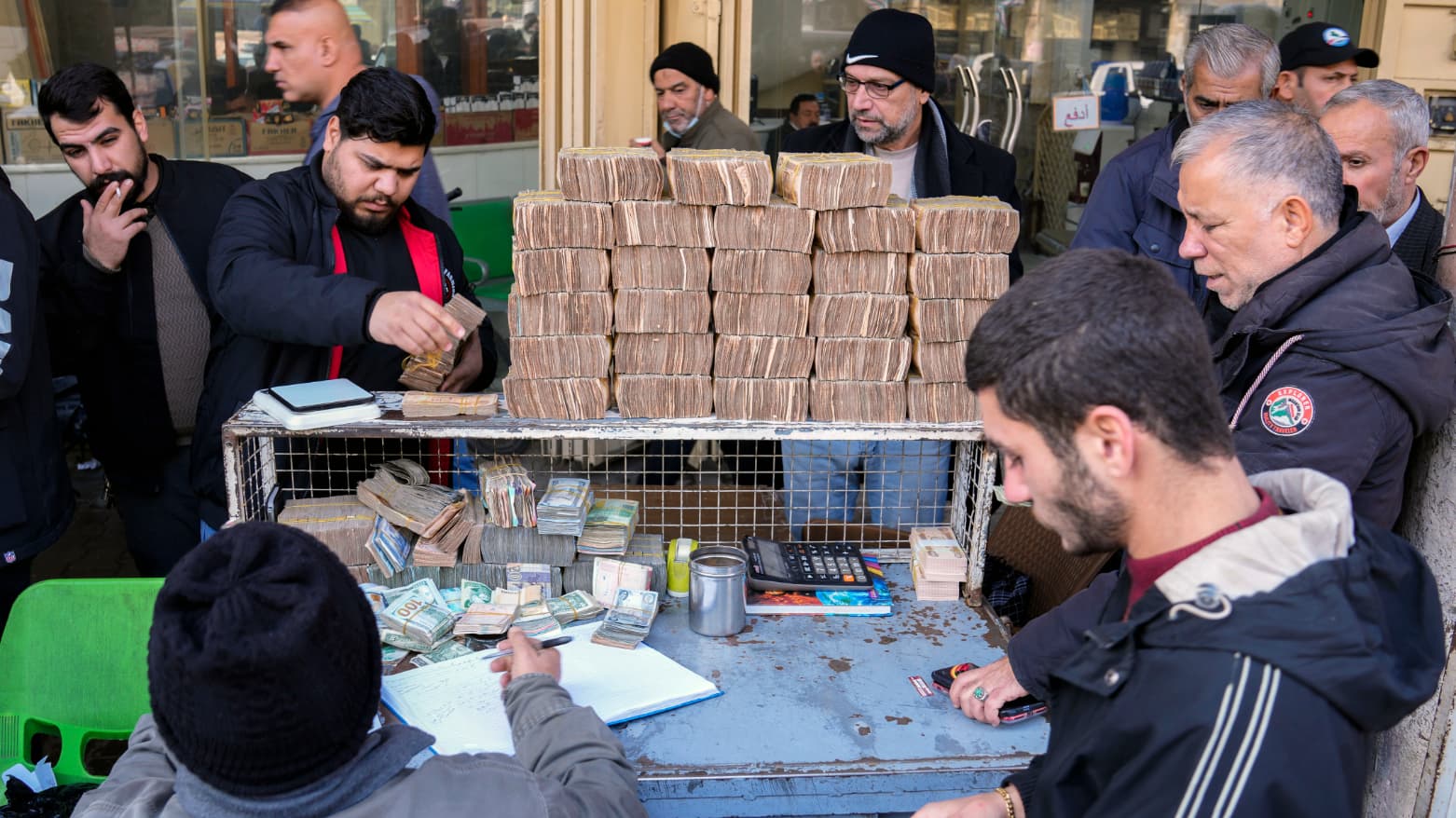
On Saturday, correspondent Azar Farouq reported the dollar at 159,350 dinars per $100 in Erbil, while the rate in Baghdad had moved above 160,000. The dollar had stood at 158,000 dinars when currency exchanges closed on Thursday.
Read More: Dollar Climbs Against Iraqi Dinar as Baghdad Rate Tops 160,000
The widening gap has put renewed attention on how physical dollar supplies, Central Bank sales and political expectations interact in Iraq's parallel currency market.
Abdulghafar warned that another layer of uncertainty surrounds the Sept. 30 deadline for armed groups to surrender their weapons. He said there was a risk that the Federal Reserve could restrict dollar shipments if the process failed.
That possibility remains contested.
Earlier reporting cited two Iraqi government sources who said Washington had warned that monthly dollar transfers could be suspended unless Iran-aligned armed factions disarmed by Sept. 30.
A senior adviser to Prime Minister Ali Faleh al-Zaidi later rejected that account. Mazhar Mohammed Saleh told that the reports were "rumors,"saying Washington had not formally raised a plan to halt dollar shipments over the disarmament deadline.
Read More: Iraqi PM Adviser Denies US Plans to Halt Dollar Shipments
Abdulghafar's latest warning therefore adds to the concern surrounding future dollar flows without resolving the conflicting accounts over whether Washington has formally tied them to Sept. 30.
Economic expert Ahmed Jaff told that the market is also responding to wider regional and political pressures.
Jaff said Washington had warned that countries helping Iran could face economic sanctions and argued that this had added to anxiety over Iraq's exposure to possible financial measures.
He also pointed to continued resistance by two groups within what he described as the "resistance front"to surrendering their weapons, saying that uncertainty has fed expectations in the currency market.
Jaff said Prime Minister al-Zaidi was expected to travel to the United States within two days to discuss the situation. He argued that a security agreement emerging from such talks could ease pressure and help bring the dollar lower.
The supplied reporting does not establish the details of any prospective agreement or confirm what measures Washington might take.
The latest figures follow two weeks of steady dollar gains.
Farouq reported earlier Saturday that economic specialists were linking the rise to regional tensions, armed-group activity and changing expectations among traders. Information circulating rapidly through WhatsApp and Telegram groups has also influenced market sentiment, while incomplete trader registration with the ASICO system has been identified as another source of pressure.
The political sensitivity of the issue is heightened by the structure of Iraq's dollar access. Previous reporting has noted the important role of the US financial system in the movement of dollars into Iraq, meaning any disruption or tightening can quickly become a source of market concern.
Read More: U.S. Warns Iraq: Disarm Militias by Sept. 30 or Dollar Transfers Stop
For now, the clearest evidence is in the exchange shops: the dinar has weakened sharply, cash dollar availability has become a focus of debate, and traders are closely watching both Central Bank supply and the political decisions expected before the end of September.
With security negotiations, disarmament questions and coalition-related decisions converging around the same period, Iraq's currency market is likely to remain sensitive to both confirmed policy changes and rumors about what may come next.